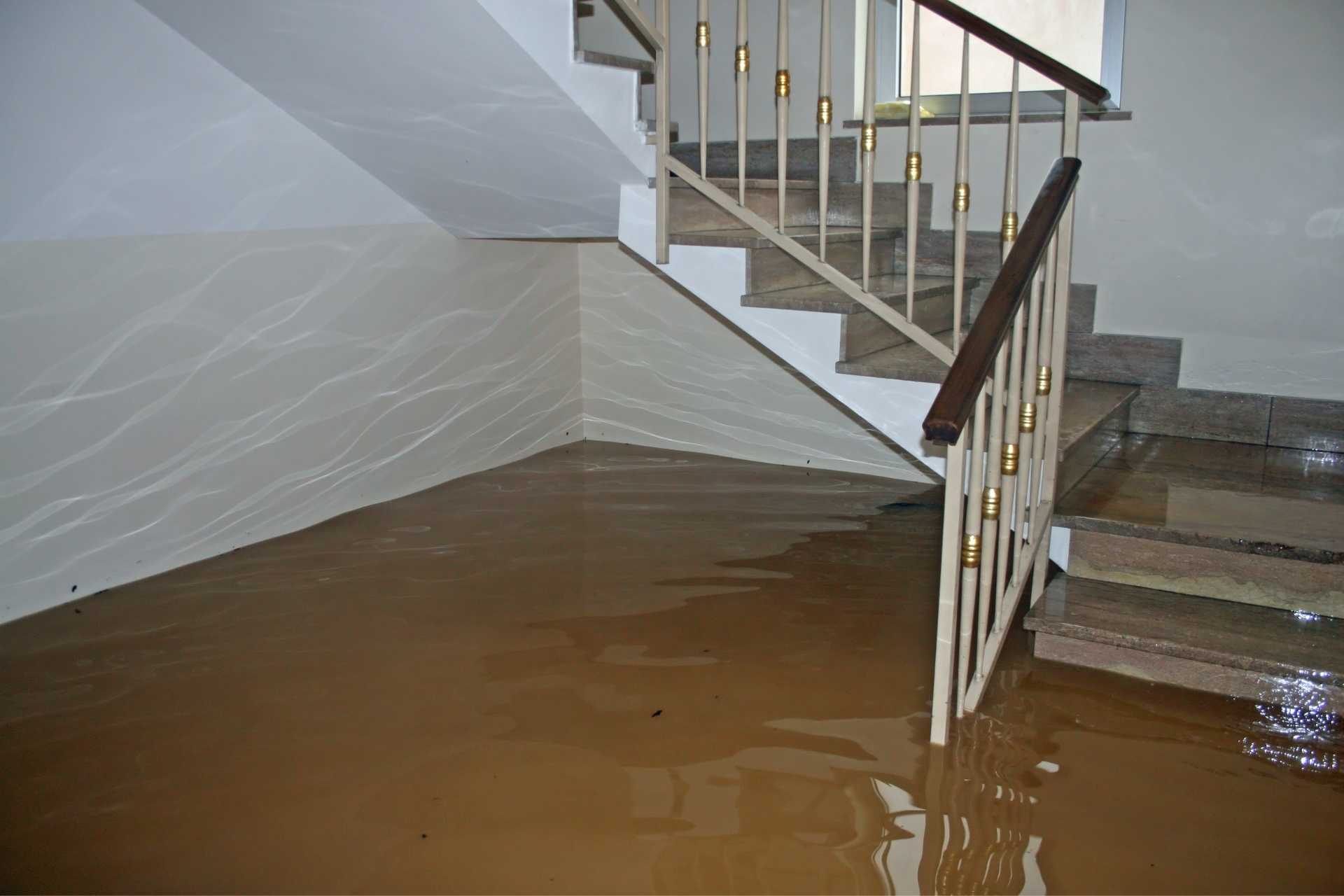
A basement flood often feels sudden, destructive, and unavoidable, especially when water appears seemingly overnight. In reality, most flooding events are the result of long-term water pressure and drainage issues that build gradually around the home. This is why basement waterproofing is best understood as a preventative system rather than an emergency repair, designed to manage water before it reaches vulnerable areas below grade.
Basement flooding is also frequently viewed in isolation from other exterior upgrades. Homeowners may invest in projects like window replacement to improve comfort and efficiency above ground, while overlooking how water behaves below the foundation. When exterior water management fails, the basement becomes the lowest and easiest point of entry, regardless of how well the rest of the home is maintained.
How Water Actually Gets Into a Basement
Water does not need obvious holes or major cracks to enter a basement. Below grade, soil becomes saturated and exerts hydrostatic pressure against foundation walls, forcing moisture toward the structure. Concrete and masonry are inherently porous materials, which means water can migrate through them even when no visible damage is present.
Because basements sit below ground level, they are surrounded by soil that naturally holds moisture. When that moisture cannot drain properly, pressure increases and water looks for the path of least resistance. Flooding is often the final stage of a process that has been developing quietly for years.
The Most Common Causes of a Basement Flood
Poor exterior drainage is one of the most common contributors to basement flooding. When grading slopes toward the house or downspouts release water too close to the foundation, moisture accumulates where it should be redirected away. Over time, this persistent saturation overwhelms the soil’s ability to absorb water.
Foundation cracks, deteriorating materials, and aging weeping tile systems further increase vulnerability. Window wells located below grade can also become direct entry points if drainage is blocked. In most real-world cases, basement flooding results from several of these factors occurring together rather than a single failure.
Why Heavy Rain and Seasonal Thaw Make Flooding Worse
Canadian weather patterns play a significant role in basement flooding. Extended rainfall saturates the soil faster than it can drain, sharply increasing pressure against foundation walls. During early spring, snowmelt puts your basement at risk by releasing large volumes of water into the ground that is already holding moisture from winter.
Frozen soil compounds the problem. When the surface layer remains frozen, meltwater has nowhere to go vertically and is forced sideways toward the foundation. This is why basement floods often occur during thaw cycles, even when rainfall is minimal.
How Waterproofing Stops a Basement Flood at the Source
Waterproofing works by addressing water before it reaches the foundation wall. Exterior waterproofing systems combine membranes, drainage layers, and proper grading to redirect water away from the structure. This approach reduces hydrostatic pressure rather than managing water after it enters the basement.
By controlling water at its source, waterproofing targets the root cause of flooding. When water is guided away from the foundation, the conditions that lead to seepage and flooding are eliminated. This is why your basement needs waterproofing when flood risk exists, not only after damage has occurred.
Interior Waterproofing vs Exterior Waterproofing
Interior waterproofing systems are designed to manage water once it has already passed through the foundation wall. These systems often include interior drains and sump pumps that collect and redirect water to a discharge point. While effective at preventing standing water inside the basement, they do not stop water from contacting the foundation.
Exterior waterproofing prevents water from reaching the foundation altogether. By reducing pressure on the structure, it protects foundation materials and minimizes long-term stress. For lasting flood prevention, stopping water outside the home is generally more effective than managing it after entry.
Why Temporary Fixes Don’t Prevent the Next Basement Flood
Temporary solutions such as crack sealants, waterproof paints, or interior coatings often provide short-term relief. These fixes address visible symptoms but do not reduce external water pressure. As groundwater continues to accumulate, water simply finds another weak point.
This is why homeowners often experience repeated flooding despite previous repairs. Without addressing drainage and exterior water management, the underlying problem remains unchanged. Effective flood prevention requires system-level solutions rather than surface-level patches.
When a Basement Flood Signals a Bigger Structural Issue
Repeated basement flooding can indicate more serious structural concerns. Persistent moisture weakens foundation materials and accelerates soil erosion beneath the home. Over time, this can lead to movement, settlement, and compromised structural stability.
Moisture trapped in foundation materials also expands during freeze–thaw cycles. Snow and ice affect the foundation of your home by enlarging cracks and joints as frozen water expands. Early waterproofing intervention reduces the risk of costly structural repairs later.
How to Reduce Basement Flood Risk Before It Happens
Preventing a basement flood begins with understanding how water moves around the property. Regular inspections of grading, downspouts, window wells, and drainage paths help identify risk early. Redirecting water even a few feet away from the foundation can significantly reduce pressure.
Paying attention to early warning signs is equally important. Damp odours, white mineral deposits, and minor seepage are indicators of moisture movement. Addressing these signs early prevents escalation into full flooding events and reduces long-term repair costs.
Why Flooding Is Often Misdiagnosed as a Plumbing Problem
Many homeowners initially assume basement flooding is caused by plumbing failures. While plumbing issues do occur, true basement floods are far more commonly related to exterior water intrusion. Misdiagnosis delays proper intervention and allows water pressure to continue building.
Understanding the difference between plumbing leaks and groundwater intrusion is critical. Flooding that coincides with rain, thaw, or seasonal changes almost always points to exterior drainage or waterproofing issues. Correct diagnosis leads to effective prevention rather than repeated cleanup.
How Basement Waterproofing Protects More Than Just the Basement
Basement waterproofing protects more than finished space and stored belongings. Controlling water at the foundation helps preserve the structural integrity of the entire home. Foundations that remain dry are less susceptible to cracking, movement, and long-term deterioration.
Effective waterproofing also supports healthier indoor environments. Reduced moisture lowers the risk of mould growth and improves air quality throughout the home. Flood prevention contributes to comfort, safety, and property value.
Basement Floods Are Rarely Random
Basement floods are the result of water pressure, drainage failures, and environmental conditions working together over time. They are rarely isolated incidents or unpredictable accidents. Understanding how flooding develops is the key to preventing it.
Waterproofing shifts the focus from cleanup to control. By addressing water before it reaches the foundation, homeowners protect their basements, structures, and long-term investment. Preventing a basement flood is not about reacting faster—it is about planning smarter.