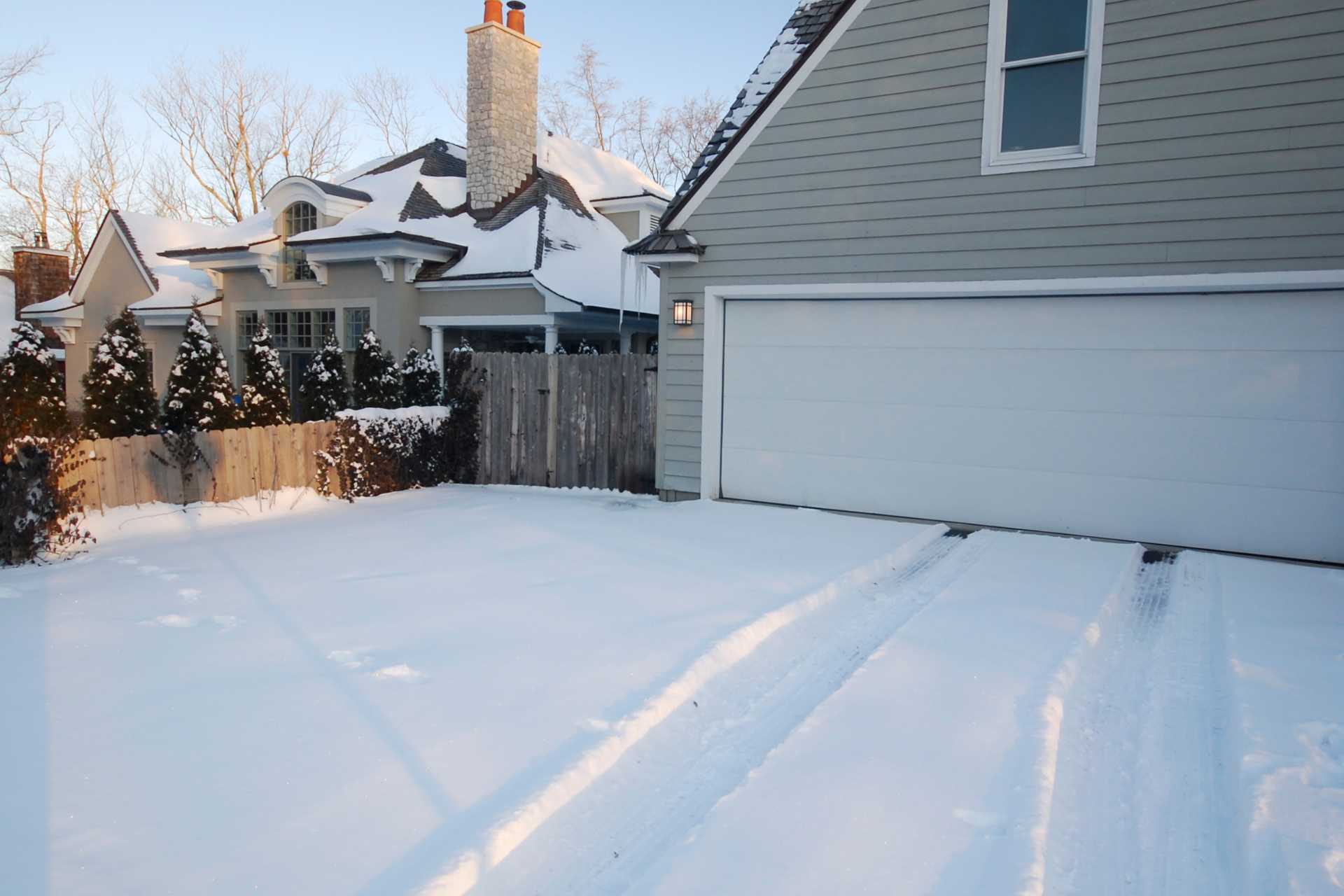
The appearance of flaking or chipping on a concrete driveway is often dismissed as a mere cosmetic annoyance, yet this visible deterioration, known as spalling, signals a deep structural vulnerability rooted in the physics of the freeze-thaw cycle. As moisture penetrates the concrete’s pores and fluctuating winter temperatures cause it to freeze and expand repeatedly, the outer layers weaken and break away over time. This process is not superficial; it is an internal structural failure. Understanding this phenomenon is as critical as recognizing that a degraded seal on a window necessitates window replacement to prevent catastrophic heat loss caused by seasonal stress. This article explores why concrete surfaces begin to deteriorate under the relentless weather patterns experienced in cold regions and what forces are at play beneath the surface that cause spalling. Recognizing this deep connection is the first step toward long-term concrete durability and property preservation.
The Scientific Mechanism of Freeze-Thaw Damage
The susceptibility of concrete to spalling begins with its inherent nature: concrete is a porous material. While it may appear solid, its internal structure contains countless microscopic capillaries and voids left by excess water during the curing process. Surface water and moisture, whether from snowmelt, rain, or dew, easily infiltrate these pores, filling the spaces within the matrix. This water absorption creates the necessary condition for the freeze-thaw cycle to begin its destructive work. The extent of this porosity directly dictates the amount of water available to cause internal damage.
The core physics of the problem lies in the expansion of water upon freezing. When water converts to ice, its volume increases by approximately nine percent. When this expansion occurs within the confined space of a concrete pore, it generates immense internal pressure. This force can exceed thousands of pounds per square inch (PSI)—a pressure greater than the concrete’s tensile strength. Over repeated freeze-thaw cycles, this stress continually widens existing micro-cracks just beneath the surface. Eventually, the pressure forces the nearest layer of concrete to detach and flake off, which is the definition of spalling. This relentless, cyclical application of internal force means that even high-quality concrete will degrade if water saturation is left unmanaged.
Factors That Accelerate Spalling in Winter
The simple presence of water and freezing temperatures explains the basic mechanism, but certain winter practices drastically accelerate the deterioration of concrete surfaces. The application of de-icing salts is a major factor. Chlorides, the active agents in most de-icing salts for your concrete driveway, lower the freezing point of surface water. This results in more frequent, localized freeze-thaw cycles right at the surface of the concrete, magnifying the destructive effect. Furthermore, salts introduce chemical complexity. They increase osmotic pressure within the concrete, drawing even more water into the pores. This intensifies the internal pressure when freezing does occur, leading to faster and more severe spalling than water expansion alone would cause.
The quality of the initial concrete mix and installation also determines the speed of degradation. A high water-to-cement ratio (W/C) during the initial mixing creates concrete with a high proportion of large capillaries, resulting in a significantly weaker and more porous structure highly susceptible to spalling. Improper finishing techniques exacerbate this problem. “Troweling” or “floating” surface water back into the mix during the setting process concentrates a layer of weak, high-porosity paste at the surface. This outer layer absorbs water readily and has very little tensile strength, making it the first to fail under freeze-thaw pressure. For maximum longevity, the initial installation must include features that inherently winterproof your concrete driveway.
Prevention and Mitigation Strategies
Preventing concrete spalling requires a multi-faceted approach focused on minimizing water saturation and managing internal stress. The single most effective preventative measure is the application of high-quality penetrating sealants, such as silanes or siloxanes. These clear, liquid products line the microscopic pores within the concrete. They drastically reduce water absorption while still allowing essential water vapour to escape from the slab. A properly sealed concrete surface prevents the saturation that feeds the freeze-thaw cycle, effectively creating a barrier against the destructive force of expanding ice.
In new construction, using air-entrained concrete is a critical step in mitigating internal stress. Air-entrained concrete contains microscopic, intentionally introduced air bubbles, typically comprising five to eight percent of the mix volume. These bubbles act as tiny internal pressure relief valves. When water within the concrete freezes and expands, the excess volume is directed into these air pockets, relieving the stress that would otherwise fracture the material. This internal defence mechanism significantly reduces the likelihood of spalling and cracking, helping to prevent cracks in your driveway throughout its life. Additionally, owners must ensure proper drainage (sloping away from the home) to prevent water from pooling on the surface. When de-icers are necessary, choosing less aggressive alternatives like calcium magnesium acetate (CMA) or using sand for traction minimizes the chemical acceleration of damage.
Financial and Safety Implications
Viewing concrete spalling as purely an aesthetic problem ignores the significant financial and safety implications. A heavily spalled surface is a compromised surface. Once the outer layer flakes away, the underlying concrete is exposed to weather and chemicals, accelerating deeper degradation and structural failure. The cost of entirely replacing a concrete driveway that has failed prematurely due to spalling is substantial, often representing a complete loss of the initial investment. Proactive sealing every few years is exponentially cheaper than tearing out and pouring a new slab.
Beyond the cost, spalling creates genuine safety hazards. Uneven, chipped, and flaky concrete surfaces are trip hazards, especially when wet or covered by a thin layer of ice or snow. The rough texture retains water, increasing the chance of localized freezing and creating slick spots. Maintaining a sound, even concrete surface is therefore a necessary measure to protect visitors, family members, and delivery personnel from slips and falls, mitigating potential liability. Protecting the concrete slab through proper maintenance is fundamentally about securing the property’s value and ensuring a safe environment.
The Sealant That Defies the Deep Freeze
Concrete spalling is not a mystery; it is a predictable failure of the material’s tensile strength against the physical force of expanding ice. This failure is rooted in porosity and accelerated by specific winter maintenance practices. Recognizing that the integrity of a concrete driveway depends entirely on managing water saturation is the key to longevity. Proactive sealing and utilizing materials designed with internal stress relief, like air-entrained concrete, are necessary measures for preservation. Property owners must view concrete protection as an essential winter preparation—a small investment in sealing that yields decades of preserved structural integrity and safety.