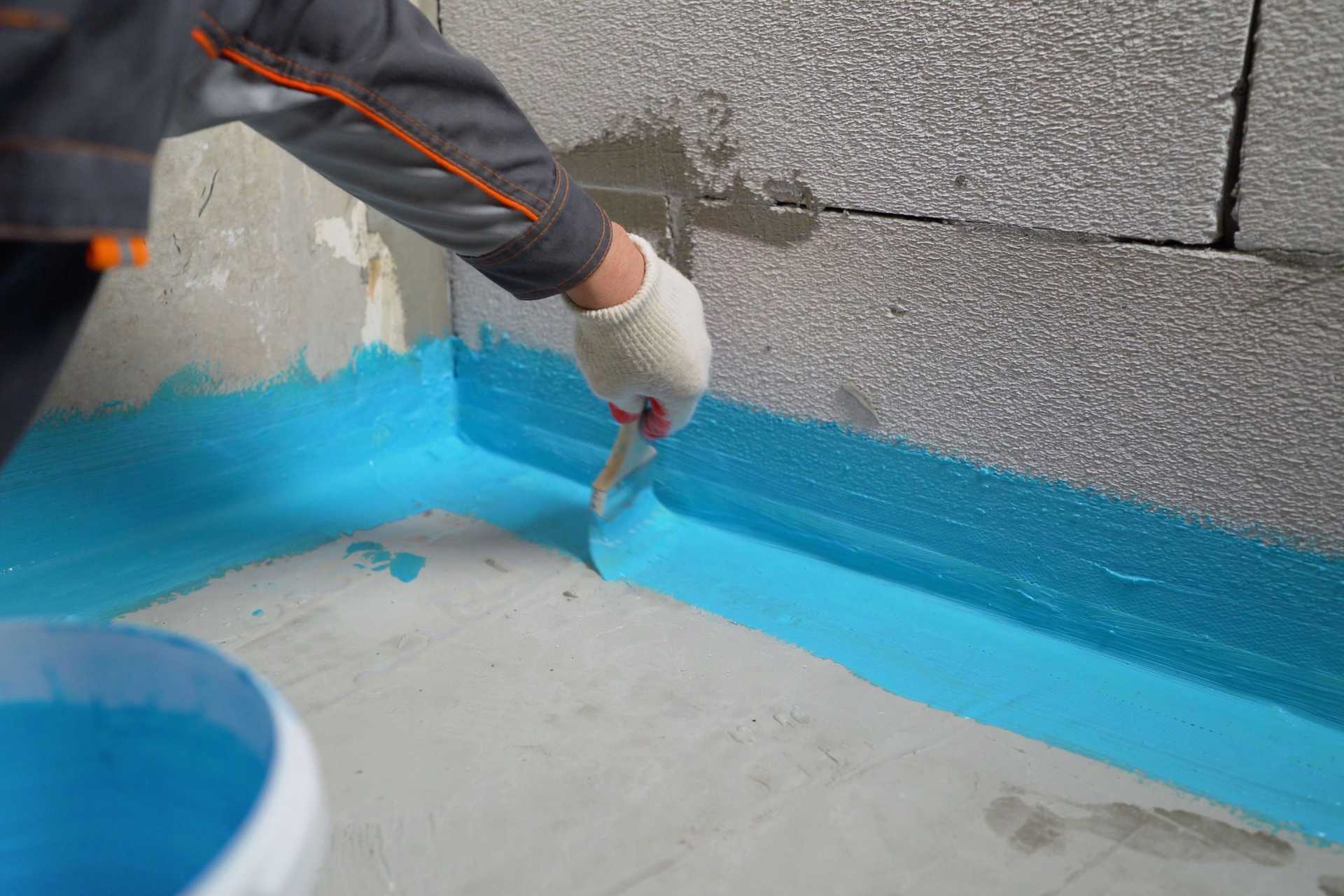
As the record-breaking snowpacks of the 2026 winter begin to melt, Ontario homeowners face a familiar sense of dread. Damp patches appear on the concrete, a musty odour permeates the air, and the panicked rush to the local hardware store begins. Most people reach for a five-gallon bucket of “waterproofing paints,” hoping a thick coat of white sealant will solve their problems. However, this cosmetic approach ignores the sheer mechanical force of the spring thaw. Surface-level fixes are a temporary bandage for a deep-seated structural challenge that only professional basement waterproofing can truly resolve. Without a comprehensive drainage strategy, you aren’t fixing a leak; you are simply hiding a crisis that will eventually burst through the walls.
Understanding Hydrostatic Pressure: The Invisible Force
To grasp why a paintbrush is an ineffective tool against a flood, one must understand the physics of saturated soil. During a rapid March melt, the ground surrounding your home behaves like a liquid. This saturated earth exerts thousands of pounds of “hydrostatic pressure” against your foundation walls. Water is relentless; it seeks any microscopic entry point, including the pores of the concrete itself.
When you apply a DIY sealant to the interior of a wall, you create a “reverse hydrostatic” trap. The water pressure continues to build on the outside of the foundation. It saturates the concrete, moving through the wall until it hits your layer of waterproofing paints. Because the water has nowhere to go, the pressure eventually “pops” the paint off the wall from the back. This results in the bubbling, peeling, and flaking that many homeowners see just weeks after a DIY application. Genuine basement waterproofing does not try to “block” the water from the inside; it manages the water on the outside before it ever touches your masonry.
The Illusion of Safety: Why Interior Sealants Fail
Many homeowners believe that a thick rubberized coating will bridge the small cracks in their foundation. In the 2026 climate, where “Atmospheric Rivers” deliver months of rain in a single weekend, this theory falls apart. Concrete is a rigid material that constantly shifts due to the freeze-thaw cycle. DIY waterproofing paints are brittle and cannot flex with the house. As the foundation moves, the paint cracks, and the “seal” is instantly compromised.
Furthermore, trapping moisture inside the concrete wall is a recipe for long-term structural decay. When water cannot evaporate into the basement because of a paint barrier, it sits inside the wall. This leads to “efflorescence”—the white, powdery salt deposits that signal the minerals in your concrete are leaching out. Over time, this weakens the aggregate and can lead to the corrosion of internal rebar. Investing in basement waterproofing ensures that your walls stay dry and structurally sound, rather than acting as a saturated sponge hidden behind a layer of latex.
The Professional Standard: Building a Foundation Shield
If you want a dry basement, you must look at the home as a complete ecosystem. Professional basement waterproofing involves a “defence-in-depth” strategy that begins far beyond the interior wall. The gold standard in 2026 remains the installation of external waterproofing membranes. These high-density polyethylene sheets act as a physical shield, directing water downward into a functional drainage system.
At the base of this system lies the weeping tile. This perforated pipe is the unsung hero of home maintenance. It collects the water diverted by the membrane and whisks it away to a sump pump or a municipal drain. When these components work in harmony, the hydrostatic pressure against your walls drops to zero. You no longer have to worry about “blocking” water because the water is never allowed to accumulate. This level of protection is why basement floods can be prevented by professional basement waterproofing, providing a level of security that no retail-grade sealant can match.
Protecting Your Equity: Stability and Legal Safety
In the current real estate market, buyers are increasingly wary of “covered-up” damage. If a home inspector sees fresh waterproofing paints over a damp wall, it raises an immediate red flag. They know that a coat of paint often hides significant structural issues. Conversely, a documented history of professional basement waterproofing acts as a certification of quality. It proves to lenders and buyers alike that the home is a safe, long-term investment.
Beyond the financial aspect, a stable house foundation prevents structural and legal problems down the road. If you are planning a basement underpinning project to increase your ceiling height, waterproofing is a non-negotiable part of the process. You cannot legally or safely finish a basement for a rental suite or a home office if the foundation is prone to seepage. In 2026, building codes have become stricter regarding “livable space.” A basement that isn’t professionally waterproofed is technically just a cellar, and it will be valued as such by any professional appraiser.
Health and Air Quality: The Respiratory Connection
We often think of basement waterproofing in terms of “puddles,” but the most dangerous form of moisture is invisible vapour. A damp basement is a breeding ground for mould and mildew. These spores don’t stay in the basement. They travel through the HVAC system and affect the air quality of the entire home. That “musty” smell so common in older Ontario homes is actually the scent of active microbial growth fueled by foundation seepage.
By sealing the home from the outside, you eliminate the source of the humidity. This is especially critical for the millions of Canadians who now work from home in basement offices. A dry, waterproofed basement is a healthy environment. It prevents the respiratory issues associated with long-term mould exposure and protects your expensive electronics and office furniture from the “slow rot” caused by high humidity.
The Financial Logic of Doing It Right
It is tempting to look at the lower price tag of DIY bucket of waterproofing paints and see a bargain. However, the cost of failure is astronomical. When a DIY sealant fails during a major storm, the resulting damage to drywall, flooring, and personal belongings can easily reach tens of thousands of dollars. Most 2026 insurance policies are tightening their “overland flood” and “seepage” clauses. Many providers will deny a claim if they find that the homeowner relied on uncertified, non-professional methods to protect their basement.
Professional basement waterproofing is a one-time investment that protects the home for decades. It adds far more to the home’s resale value than the cost of the project itself. In the 2026 economy, “risk mitigation” is the most valuable feature a home can have. By removing the threat of water damage, you are securing your primary financial asset against the unpredictable weather patterns of the future.
Managing the Source, Not the Symptom
Don’t wait for the bubbles to appear in your paint to realize your foundation is at risk. A paintbrush is for aesthetics; basement waterproofing is for infrastructure. To survive the 100-year storms that now happen every season, you need a system that manages water pressure at its source.
True peace of mind comes from knowing that your home is wrapped in a professional shield. Whether you are protecting an expensive underpinning investment or simply want to keep your family healthy, the choice is clear. Stop fighting the symptoms of water damage with surface sealants and start managing your home’s health with professional basement waterproofing. Your foundation—and your bank account—will thank you when the next big thaw arrives.