When we think about home preservation, we often focus on the elements we can see: a fresh coat of paint, a modern kitchen, or a much-needed window replacement to improve energy efficiency. These upgrades are vital for comfort and curb appeal, but they are ultimately cosmetic if the ground beneath the house is shifting. For owners of historic or aging properties, the most critical “rescue mission” happens out of sight, deep below the floorboards. Basement underpinning is the silent protector of the residential world—a high-stakes engineering process that stabilizes a failing structure, often caused by aging foundations, and prepares it for another century of service.
The Invisible Decay: When Foundations Reach Their Limit
Every foundation has a finite lifespan. For many homes built in the early 20th century, that limit is being reached. Original footings were constructed using methods that were impressive for their time. However, they cannot always withstand today’s modern environmental stressors. Decades of water table fluctuations and the weight of new additions take a toll. Combined with natural soil erosion, these factors can eventually lead to basement structural failure.
The reality of foundation decay is often a slow, creeping process. It begins with “settlement.” Most homeowners dismiss this as the house simply “finding its place.” However, there is a definitive line where natural settling ends and structural failure begins. This happens when the soil beneath a footing becomes unstable due to extreme saturation or excessive drying. At this point, it can no longer support the thousands of pounds of brick, wood, and concrete above it. The result is localized sinking, which puts immense torque on the home’s skeleton. If left unaddressed, this does more than just create a slanted floor. It threatens the total collapse of the load-bearing walls.
Warning Signs: When the House “Talks”
A home in distress is rarely silent; it communicates its struggle through a specific set of physical symptoms. Identifying these signs early is the difference between a controlled reinforcement project and an emergency evacuation.
- Exterior Masonry: Look for “stair-step” cracks in the brickwork or stones. These diagonal fissures indicate that one corner of the house is moving at a different rate than the rest.
- Door and Window Frames: If doors that used to swing freely are suddenly jamming, or if windows won’t latch properly, it’s a sign that the “envelope” of the house is being pulled out of alignment.
- Interior Flooring: Sloping floors or gaps appearing between the baseboard and the floor are classic indicators that the sub-structure is receding.
- Visible Foundation Cracks: While small hairline cracks are common, any horizontal crack or a vertical gap wide enough to fit a coin suggests that the wall is bowing under pressure.
The Engineering of a Rescue: How Basement Underpinning Works
If your home is showing these symptoms, the solution isn’t found in a bucket of mortar or a simple patch kit. You need to extend the foundation’s reach. This is how basement underpinning works: by physically deepening the foundation so that it rests on more stable, undisturbed soil or “competent strata” further underground.
The process is a marvel of strategic engineering, typically utilizing the “Stage and Pin” method. Because you cannot simply dig out the entire foundation at once without the house collapsing, the work is done in sections, or “pins.”
- Excavation: A technician digs a small hole (usually 3 to 4 feet wide) beneath the existing foundation at a specific interval.
- Reinforcement: Once the hole reaches the required depth—where the soil is firm and capable of bearing the load—it is reinforced with steel rebar.
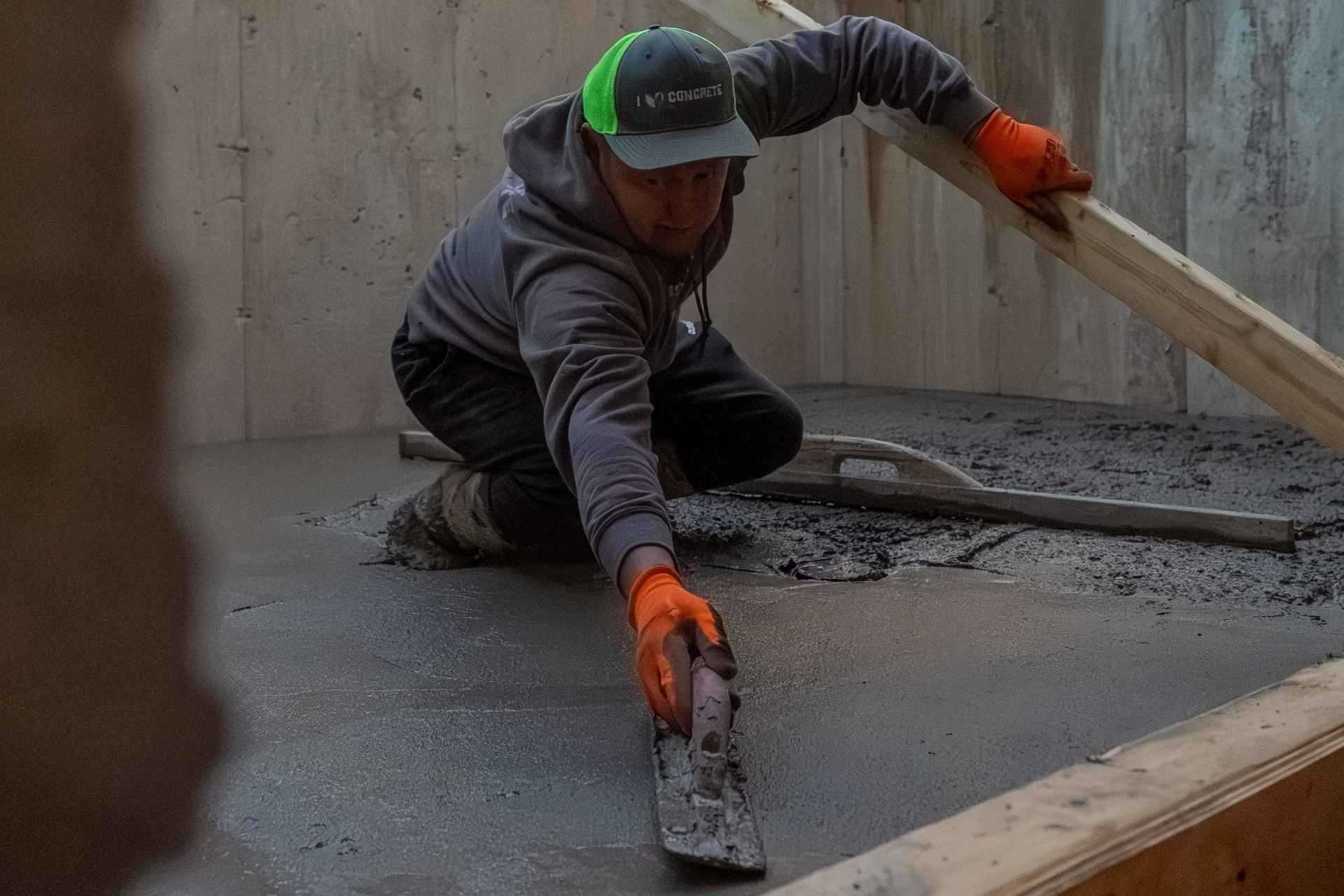
- The Pour: High-PSI concrete is poured into the cavity, filling the space up to within a few inches of the old footing.
- Dry Packing: After the new concrete cures, the remaining gap is filled with “dry pack”—a non-shrink grout that ensures a tight, load-bearing connection between the old foundation and the new “pin.”
By repeating this process around the perimeter, a new, deeper foundation is essentially built underneath the original one. This transfers the weight of the house off the unstable topsoil and onto the reinforced concrete pins, effectively “freezing” the home in place and stopping any further sinking.
The Necessity of Basement Underpinning for Older Homes
While underpinning is often associated with luxury renovations, it is a functional necessity for many heritage properties. Basement underpinning for older homes addresses a specific historical flaw: the shallow footing. In the past, foundations were often only dug deep enough to stay below the frost line. They weren’t always designed for the heavy load of modern granite countertops, cast iron tubs, or the added weight of HVAC systems and appliances.
Furthermore, many older foundations were built with “rubble stone” or low-grade concrete that becomes brittle over time. Underpinning allows contractors to reinforce these brittle walls from below, creating a “super-footing” that can handle the increased demands of 21st-century living. It’s the ultimate way to respect the history of a home while ensuring its physical survival for the next hundred years.
Structural Integrity Meets Modern Living
Underpinning offers a unique advantage. It solves a structural problem while providing a massive lifestyle upgrade. The process involves excavating beneath the existing floor. This provides the perfect opportunity to lower the basement level.
Many aging homes have basements that are little more than dark, damp crawlspaces. These often feature restrictive 6-foot ceilings. By underpinning the foundation, you can gain 8, 9, or even 10-foot ceilings. This height is required to transform a “cellar” into a premium living space. It turns a necessary structural repair into a high-ROI investment. You aren’t just spending money to keep the house standing. You are gaining an entire floor of livable square footage. This creates space for a home theatre, a legal rental suite, or a private gym. Best of all, it avoids the massive costs and zoning headaches of a traditional home addition.
Investing in Longevity: ROI and Peace of Mind
In the 2026 real estate market, savvy buyers are increasingly wary of “flipper” homes that look great on the surface but have crumbling foundations. A certified, engineered underpinning project is a massive asset during a property sale. It provides a “structural guarantee” that the home is stable, dry, and built on a solid base.
The financial logic is simple: the foundation is the anchor for every other investment you make in your home. There is no point in installing a $100,000 kitchen or a designer master suite if the house is shifting and cracking the new drywall. Underpinning protects your equity by ensuring that every other renovation stays pristine. It is the ultimate insurance policy against the unpredictable nature of the earth itself.
Building a Legacy from the Bottom Up
Underpinning is a rigorous, technical, and “gritty” process, but it is the most rewarding investment a homeowner can make in an aging property. It moves a house from a state of “failing asset” to “fortified landmark.” By addressing the signs of basement structural failure early and employing modern concrete techniques, you aren’t just fixing a house—you are securing a legacy.
You may be driven by the need for more space. You might also be facing the urgent requirement to stabilize a sinking wall. Either way, remember that a home is only as good as the ground it stands on. Underpinning provides silent protection. It allows you to rest easy knowing that while the world changes, your home remains exactly where it belongs. It will stay solid, level, and secure for generations to come.