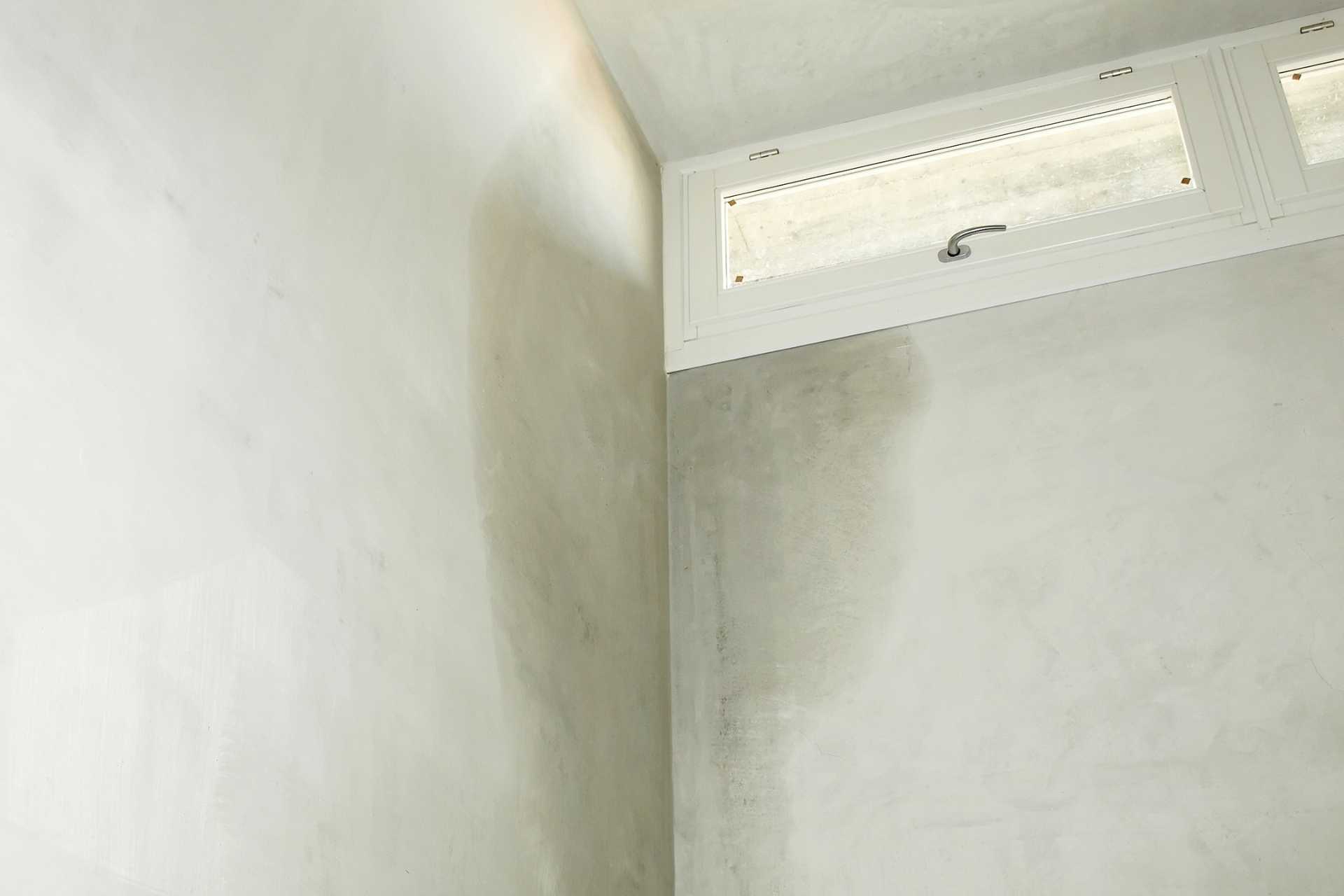
Descending the stairs into a Canadian basement often brings a familiar but unwelcome sensation. It starts with a heavy, clammy feeling in the air, followed closely by a distinct, musty odour. For generations, homeowners have treated basement dampness as an inevitable quirk of below-grade living. They simply set up a noisy retail dehumidifier, empty the bucket daily, and assume the problem is managed. This passive approach is a dangerous gamble. Subterranean moisture is rarely a stationary issue. Instead, it acts as a slow-moving catalyst for systematic building failure.
The Quick Edit: Key Takeaways
Managing moisture in a subterranean environment requires moving away from temporary retail fixes and adopting an engineering-focused mindset. Water issues are highly progressive, meaning that a minor damp patch on a wall today can easily become a major structural failure tomorrow if it is not correctly addressed.
Review these primary stages of below-grade moisture intrusion, along with their associated structural risks and standard remediation protocols:
Stage 1: Ambient Dampness
- Indicators: Clammy air, relative humidity consistently above 60%, and a faint musty odour.
- Long-Term Risks: Minor surface mould, peeling paint, and ruined cardboard storage boxes.
- Standard Remedy: Improved interior ventilation, mechanical dehumidification, and specialized wall sealants.
Stage 2: Active Seepage
- Indicators: Visible damp tracks, white efflorescence powder, and weeping mortar joints.
- Long-Term Risks: Rotted wooden floor joists, damaged drywall, and ruined basement flooring.
- Standard Remedy: Targeted crack injection line repairs and exterior drainage adjustments.
Stage 3: Hydrostatic Flooding
- Indicators: Standing water on the concrete slab and major pooling during spring thaws or heavy rainstorms.
- Long-Term Risks: Severe foundation movement, structural rot, and total asset depreciation.
- Standard Remedy: Comprehensive interior or exterior weeping tile systems paired with a heavy-duty sump pump installation.
Recognizing these distinct levels helps homeowners spot the common signs that your basement needs waterproofing before the problem advances to a more destructive phase. In our demanding climate, staying ahead of this moisture curve is the only reliable way to safeguard your property investment over the long haul.
The Health Hazard: What You Breathe When Basements Stay Wet
Many homeowners mistakenly believe that a wet basement is isolated from the rest of the house. In reality, the air quality of your entire home is deeply tied to the condition of your lowest level. When a below-grade space suffers from chronic dampness, it creates an ideal incubator for moisture and mildew, which rapidly spreads across organic building materials like wood studs and drywall backing. Even worse, it sets the stage for toxic black mold (Stachybotrys chartarum) to colonize hidden wall cavities, releasing millions of microscopic spores into the air.
For a family living upstairs, this invisible airborne assault can cause serious respiratory issues. Long-term exposure to these spores often leads to chronic nighttime coughing, severe allergy flare-ups, unexplained headaches, and asthma attacks. If your children or elderly relatives are constantly fighting off sinus infections or breathing difficulties, a trip to the family doctor might only offer temporary relief. Until the root cause of the airborne contamination is permanently eliminated through proper moisture control, the indoor environment will continue to compromise your family’s health.
The Structural Rot: How Water Silently Eats Away at Your Home
While the airborne risks to your health are alarming, water also wages a silent, destructive war on your home’s physical framework. Ambient moisture does not just sit in the air. It is aggressively absorbed by wood framing, subfloors, and drywall. Over time, wood floor joists exposed to high humidity will develop wood rot, losing their structural capacity to support the heavy main floors above. Floors may begin to sag, creak, or feel bouncy underfoot, indicating that the hidden skeletal structure of the house is failing.
For concrete structures, the damage is equally severe but manifests differently. When water moves through a foundation wall, it dissolves the natural mineral salts contained within the concrete mix. As the water evaporates on the interior surface, it leaves behind a white, powdery residue known as efflorescence. This is not just an aesthetic blemish. It is a clear sign that water is leaching minerals out of the masonry, leaving the concrete increasingly porous, weak, and brittle.
As water continuously travels through the concrete matrix, it gradually erodes the foundation from the inside out. This constant pressure can lead to the formation of hairline basement cracks across the floor and walls. While these small cracks may seem minor at first glance, they create clear pathways for future water intrusion. Over several seasons, this unchecked moisture weakens the load-bearing capacity of your foundation footings, setting the stage for major structural shifting that becomes incredibly complex and expensive to fix.
The Financial Hit: The Cost of Procrastination
Delaying structural repairs is a massive financial gamble that rarely pays off for homeowners. Water damage does not resolve itself. It grows exponentially more expensive with every passing season. If you try to sell a home that has a damp, musty basement, you will face a harsh reality in the real estate market. Modern home buyers are incredibly risk-averse, and a wet basement is an immediate red flag that can instantly tank your property value, force steep price cuts, or cause deals to fall through entirely during the home inspection phase.
The immediate cost of procrastination also shows up in your monthly budget. Damp air is physically harder to heat and cool than dry air because water molecules require significant thermal energy to change temperature. In our freezing winters and humid summers, a damp basement forces your furnace and air conditioner to run constantly, This quietly drives up your monthly utility bills.
Furthermore, the price of early preventative maintenance is a drop in the bucket compared to full-scale disaster recovery. Catching moisture problems early allows for localized fixes. If you wait until your foundation shifts, your drywall turns to mush, and your floor joists rot, you will face a staggering bill that includes professional mould remediation, structural framing replacements, and extensive excavation work.
From Dampness to Failure: Connecting Moisture to Structural Shifts
Understanding how a seemingly small puddle on your basement floor can lead to total foundation failure requires looking at how Canadian snow and ice affect your home’s foundation. During our long winters, thick blankets of snow accumulate along the perimeter of your house. When spring finally arrives, this massive volume of snow melts rapidly, saturating the ground and creating a high water table right against your basement walls. Because water expands when it freezes and creates massive pressure when trapped, it exerts tremendous hydrostatic force against your foundation.
Take Control of Your Below-Grade Environment
Ignoring below-grade moisture is a gamble that no homeowner should take. What begins as a faint, musty odour or a damp patch on a wall can quickly spiral into toxic mould growth, ruined framing, and severe foundation damage. Subterranean water issues never resolve themselves. They simply grow more complex and expensive to fix with every passing season. Relying on temporary fixes like a retail dehumidifier only masks the symptoms while the underlying structure continues to degrade.