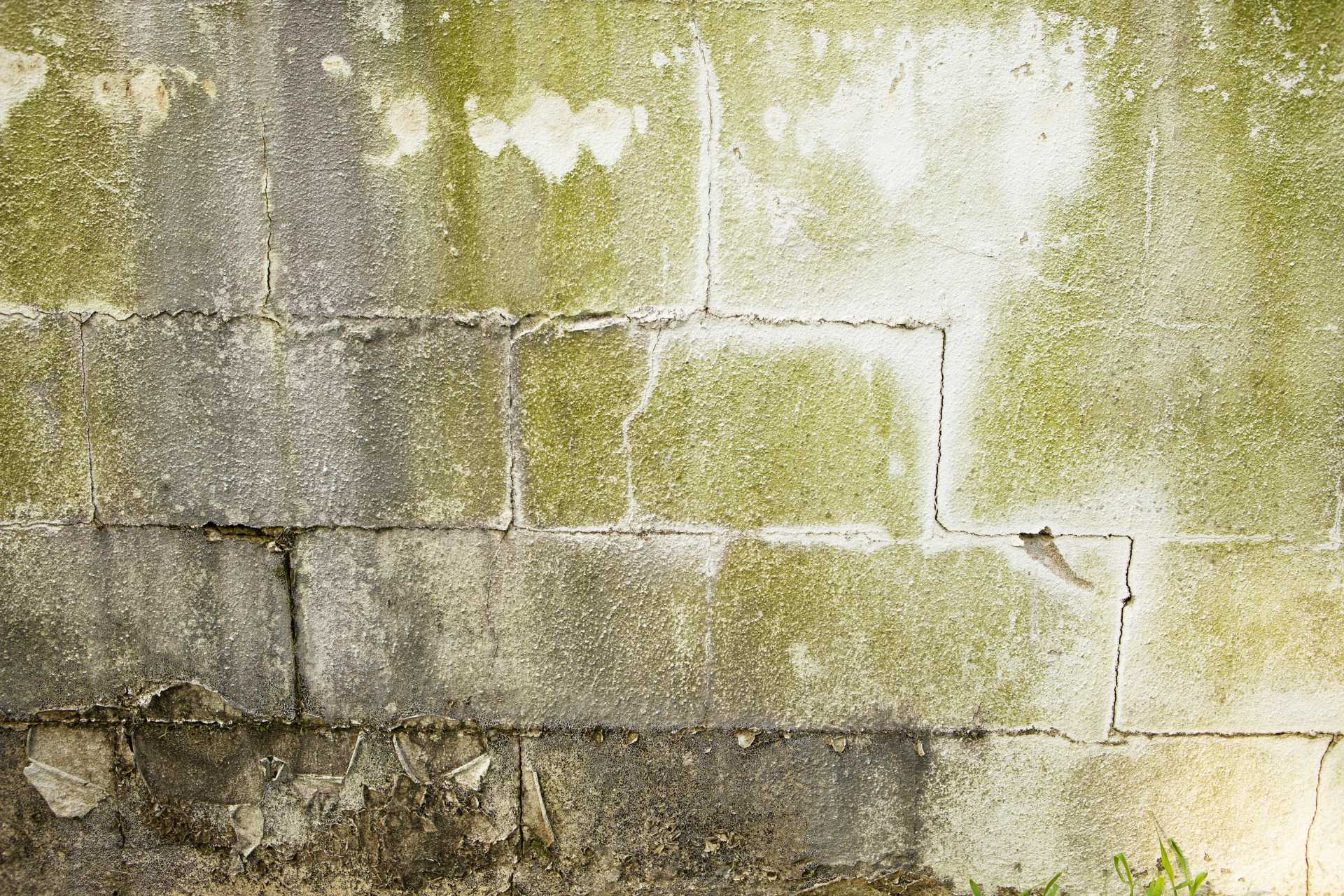
Owning a home comes with a continuous list of seasonal maintenance duties that require your careful attention. Most property owners stay on top of visible household tasks like clearing out roof gutters, sealing windows, and updating interior paint. Yet, the deep concrete footings holding up your entire house are often completely ignored until a major structural issue, like stair-step cracks, forces its way to the surface. Booking a professional consultation for basement underpinning is a critical step that saves your house from catastrophic settlement damage when your underlying soils begin to fail.
Many people tend to panic the moment they spot any physical blemish on their concrete or exterior brickwork. However, just as a trusted family doctor knows the difference between a minor seasonal cold and a serious health issue, a structural engineer can differentiate between normal settling and a foundation emergency. While minor surface blemishes happen as a building settles over time, deep geometric fractures are a sign of structural failure. Taking a systematic approach to diagnosing these shifts allows you to step in with permanent engineering solutions before minor soil movements ruin your home equity.
The Quick Edit
- The Stair-Step Warning: Diagonal, step-like cracks tracking through your exterior brick mortar or interior cinder blocks point directly to active footing settlement.
- The Clay Factor: Expansive Canadian clay soils swell heavily when wet and shrink drastically during dry summer heatwaves, causing uneven foundation support.
- The Permanent Cure: Structural underpinning excavates beneath your failing foundation walls to pour new, deeper concrete extensions down to stable load-bearing bedrock.
Anatomy of a Fracture: Deciphering the Stair-Step Warning Sign
Homeowners often spot fine, vertical or horizontal lines running across their lower concrete walls during routine cleanup. In many cases, these minor blemishes are simply basement hairline cracks, which occur naturally as the concrete cures and shrinks over the decades. These fine lines are usually cosmetic and do not pose an immediate threat to the building’s safety, though they should be monitored regularly for any sudden changes. The situation changes completely when the fractures take on a distinct, jagged stair-step pattern.
A stair-step crack tracks diagonally along the mortar joints of your walls. It follows the horizontal and vertical lines of your exterior brickwork or basement concrete blocks. This unique geometric shape indicates a localized structural shift. It shows that one specific section of your home’s foundation is sinking down while the adjacent structure remains firmly in place. As the shifting wall segment drops, it tears the mortar joints apart along the weakest path. This movement creates a highly visible zig-zag pattern.
Ignoring these jagged lines is incredibly dangerous. They indicate that your home’s load-bearing walls are actively twisting out of alignment. Over time, this shifting can lead to jammed doors and cracked windows. It also causes noticeably sloping floors throughout your upper living spaces.
Shifting Ground: How Clay Soils and Frost Heave Undermine Footings
The underlying cause of these severe structural fractures is almost always linked to the volatile nature of localized soil conditions. Many regions across Canada feature highly expansive clay soils that react dramatically to changing seasonal weather patterns. During wet spring seasons and rapid snowmelts, this clay absorbs a massive volume of water, causing the ground to swell up tightly around your footings.
Conversely, intense summer heatwaves bake the landscape, causing the clay particles to lose moisture and shrink drastically. This shrinking action creates deep underground voids and empty pockets directly beneath your home’s concrete footings. Without a solid layer of dirt to rest on, the heavy weight of your house causes the concrete footings to sink down into the empty spaces.
As the clay base shrinks during long periods of hot, dry weather, gravity pulls the unsupported sections of your foundation downward. This structural movement is further accelerated by severe winter frost heave. When the moisture inside the ground freezes, it expands into thick ice lenses that push up against the bottom of your shallow footings. When the ground thaws out in the spring, the support disappears completely, causing the foundation to drop unevenly. It is absolutely vital to make sure your foundation is ready for heavy rain and freezing weather by maintaining proper yard grading, as excessive groundwater pooling around your perimeter walls will make clay soil settlement issues significantly worse.
The Underpinning Process: Engineering Permanent Structural Stability
When a home suffers from active settlement, simple topical patch fixes fail completely. Shoving fresh mortar into the brick cracks is only a temporary band-aid. The underlying soil will continue to shift over time. This movement causes the new mortar to pop out during the very next seasonal cycle. Resolving this structural emergency permanently requires a heavy engineering process known as structural underpinning.
The underpinning process works by extending your home’s existing foundation footings downward. It pushes the support structure into a deeper, more stable layer of soil or solid bedrock. Technicians execute this fix by carefully excavating a series of isolated trenches. These vertical shafts are dug directly beneath your current foundation walls. This work is completed in a strategic, staggered pattern. This careful sequence ensures the rest of your house remains safe and fully supported during the entire construction timeline.
Once a section is excavated, workers build heavy steel rebar cages inside the empty trench. These cages reinforce the new concrete structure. They then pour high-strength concrete directly underneath the old footing. This pour creates a new, solid pillar that reaches deep into the earth. After the concrete cures completely, heavy-duty hydraulic jacks are used to lift the settled section of the house. This mechanical lift returns the building back to its original level position. This proven method of basement underpinning rescues aging home foundations. It provides an unyielding baseline that completely stops structural shifting for the lifetime of the building.
Beyond Stabilization: Restoring Home Equity and Vertical Space
Investing in a professional underpinning project does far more than just stop your exterior brick walls from separating. It provides a massive boost to your home’s overall financial value. It also increases your property’s structural versatility. When a home exhibits visible stair-step fractures, its market value plummets. This drop occurs because potential buyers back away from the property due to fears of structural collapse.
Completing an engineered underpinning repair completely removes this financial blemish. The fix allows you to prove to future buyers that the home is anchored on a rock-solid foundation. Furthermore, underpinning requires excavating the earth beneath your current basement floor slab. This step offers the perfect opportunity to lower your basement floor. This deep excavation allows you to increase your basement’s ceiling height from a cramped two meters to a bright, open two-and-a-half meters.
This extra vertical clearance completely transforms the look and feel of a dark, unfinished basement. It allows you to comfortably convert the lower level into a high-end family media room or a spacious home office. You can even create a legal basement rental suite. In major Canadian metropolitan areas, creating a legal secondary suite is an excellent way to generate consistent monthly rental income. This extra revenue helps you offset your initial repair costs while building long-term property wealth.
Planting Your Property on Unshakable Ground
Leaving active stair-step foundation fractures untreated is an incredibly risky mistake. It directly threatens the safety of your family and your financial future. Shifting clay soils and winter frost cycles will continue to twist your home’s load-bearing walls. Over time, this movement turns a minor settling problem into a catastrophic structural failure.
Trying to save money by ignoring these deep geometric cracks is a losing battle. It always leads to incredibly expensive structural repairs, ruined interior renovations, and a massive loss of home equity later on. By calling in a structural engineer early, you can map out your specific soil conditions. Investing in professional underpinning protects your asset completely. This permanent structural repair ensures your home stands on a secure foundation, allowing you to enjoy total peace of mind through every changing season.