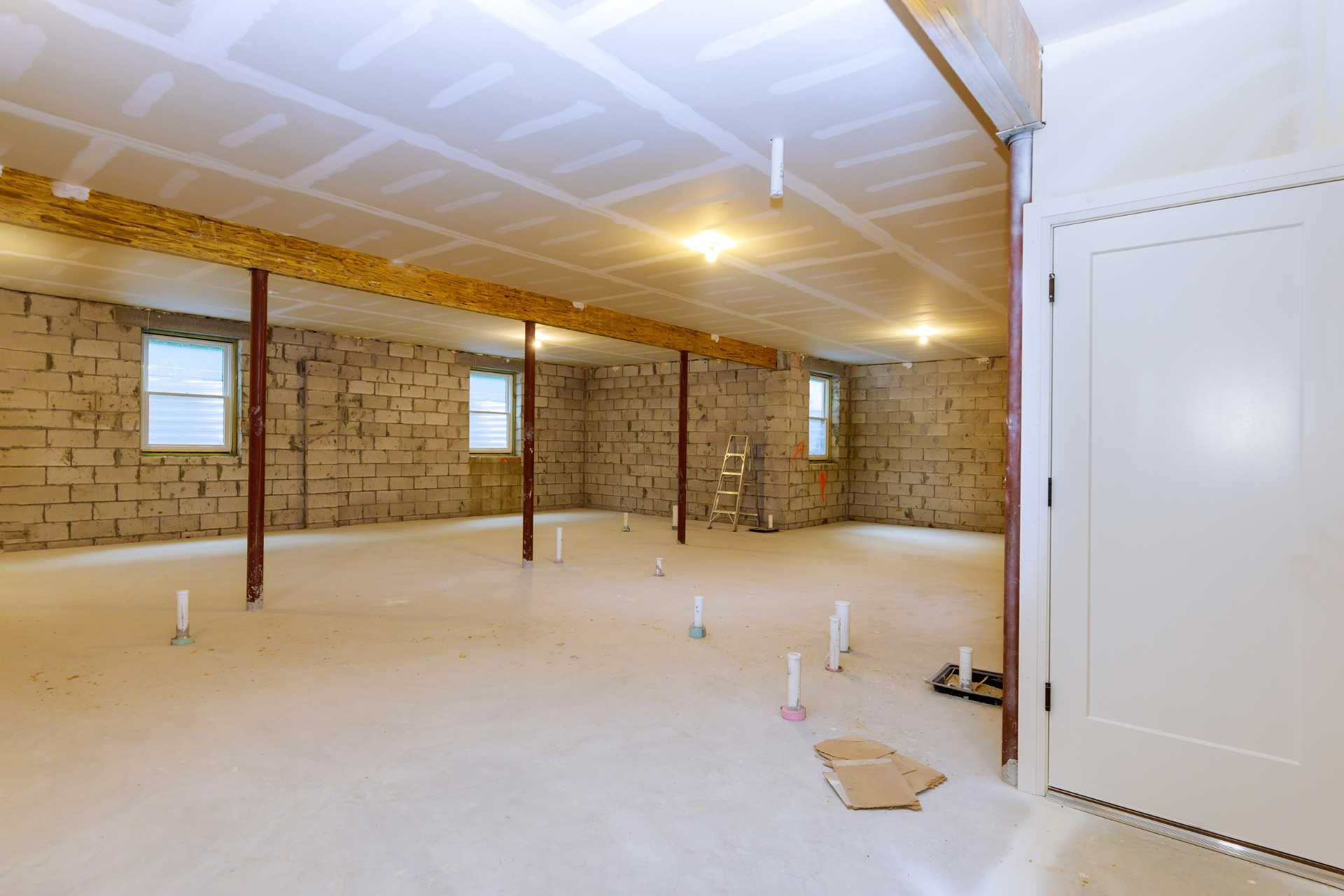
Protecting a home from the ground up requires a clear understanding of the invisible forces acting beneath your concrete floor. Property owners facing structural movement often look into basement underpinning to stop their walls from sinking any further into unstable earth. Consulting with a certified financial advisor early on helps you map out this structural upgrade, ensuring your home maintenance budget effectively safeguards your long-term property equity. While surface renovations like modern kitchens are exciting, a house is only as good as the footings that support it. Taking care of your foundation ensures your home remains safe and sound for decades to come.
When a home’s deep support system begins to fail, the entire building undergoes intense structural stress that shows up across every room. Shifting soils pull concrete walls out of alignment, creating gaps that let groundwater leak into your lower living spaces. This movement can quickly ruin a home’s value, turning a solid property into a structural hazard that struggles to pass a standard insurance inspection. Fixing these deep soil issues early stops minor wall cracks from turning into major structural emergencies. True home safety requires reinforcing your support system from the bottom up, creating a stable foundation that handles severe weather changes with ease.
The Quick Edit
- The Soil Shift: Natural environmental shifts cause shifting soil beds to sink, drag down concrete walls, and break the structural frame of your home.
- The Structural Cure: Underpinning fixes this movement permanently by digging beneath the weak footings and pouring heavy concrete legs down to stable bedrock.
- The Waterproofing Link: Restoring your foundation to its original straight position allows exterior protective layers to keep your lower levels bone-dry.
Environmental Triggers: Why Foundations Move in Canada
To solve structural sinking permanently, you must first understand the environmental forces acting on the dirt beneath your footings. The Canadian climate subjects residential soil beds to extreme temperature swings and moisture changes over the year. It is widely documented that severe seasonal changes can affect your home’s foundation through the continuous cycle of freezing and thawing. During winter, wet soils freeze and expand violently, lifting heavy concrete walls. When the ground thaws in spring, the soil collapses completely, leaving behind empty pockets that cause your footings to drop into the gaps.
This shifting is made worse by the dense clay soils found in many urban areas, like the Greater Toronto Area and the Prairies. Clay soil behaves like a giant sponge, expanding significantly during wet autumn storms and shrinking during dry summer heatwaves. As the clay dries out and pulls away from your concrete footings, it leaves behind unsupported gaps. The massive deadweight of your home naturally drops into these spaces, causing uneven settlement that warps your home’s structural framing.
Spotting the Warning Signs: Catching Movement Early
A home facing foundational shifting will display clear warning signs long before a total structural collapse occurs. Property owners must routinely inspect their interior and exterior masonry surfaces for unusual patterns of physical distress. If you observe your brickwork or cinder blocks splitting along mortar lines, take note: these distinct stair-step cracks signal foundation fractures that require immediate professional attention. These jagged breaks show that one section of your home is actively dropping away from the main structure, tearing your framing apart.
As the foundation continues to drop, the structural damage moves upward into your everyday living spaces. You will notice interior doors jamming inside their frames, windows refusing to open smoothly, and hardwood floors sloping noticeably toward one corner. Homeowners often mistake these issues for simple humidity adjustments, but they are actually obvious signs that your basement needs underpinning immediately. Catching these problems early allows you to reinforce your home before the interior framing suffers permanent, unfixable damage.
The Underpinning System: Engineering Permanent Stability
Basement underpinning is the ultimate method for fixing a shifting foundation. The process lifts your home off unstable surface soils and plants it securely onto solid bedrock. Crews begin by dividing the perimeter of your basement floor into a series of organized workspace sections. Each section is exactly three feet wide. Professional teams carefully excavate the earth directly beneath your existing concrete footing. They work in a strict, specific sequence. This careful staging ensures the home stays fully supported at all times. Technicians dig down deeply into the ground. They do not stop until they pass the weak, shifting topsoil layers and reach highly compressed, load-bearing earth.
Once the staged workspace pits are fully cleared out, the next phase begins. Crews place heavy structural steel bars directly into the open gaps. They then pour new, commercial-grade concrete right under the old footings. This step creates a solid extension leg that anchors your home deep into the earth. Teams repeat this process across all sections, one by one. They continue until your old foundation sits securely on a continuous, deep concrete wall. This comprehensive upgrade stops structural sinking for good. It stabilizes your home against extreme weather shifts. The added depth also allows you to safely drop the floor level to gain extra headroom.
The Waterproofing Connection: Shielding Your New Foundation
Stabilizing your shifting walls with deep concrete pins provides the perfect opportunity to address basement waterproofing. When a foundation shifts, the movement cracks your old moisture barriers, allowing groundwater to leak into your lower living level. Attempting to repair leaks while your home is still actively sinking is a waste of money, as ongoing shifting will quickly tear apart any new sealants you apply. Underpinning fixes the movement first, giving you a straight, stable wall that can be permanently sealed against groundwater.
Once your new concrete underpinning pins are safely locked in place, teams can easily set up a high-performance interior weep tile network. They lay perforated drainage lines right alongside the new, deeper footings, covering them with clean gravel and connecting them to a heavy-duty sump pump. This setup catches rising groundwater before it can touch your concrete slab, keeping your new lower living space completely dry. Combining structural reinforcement with comprehensive moisture barriers shields your home from the dual threats of soil movement and water damage.
Preserving Equity: The Real Value of Structural Corrections
Investing in structural foundation repairs is a vital step that directly preserves your home’s long-term resale value. When you list a property on the Canadian market, home inspectors will look closely at the basement for any signs of wall movement or cracking. If an inspector finds unaddressed foundation shifts, the transaction can collapse instantly, or buyers will ask for massive price cuts. Completing an underpinning project gives you fully certified engineering paperwork that proves your home is structurally sound, giving future buyers absolute peace of mind.
Additionally, underpinning allows you to turn a low, dark basement into a bright, full-height living space that dramatically increases your square footage. Converting a cramped utility cellar into a premium legal rental suite or an expansive family room adds immediate market value to your home. This functional space upgrade helps pay back the cost of your structural engineering project over time. By fixing your foundation shifts early, you protect your primary asset, eliminate major safety hazards, and turn a risky situation into a highly profitable home upgrade.
A Solid Foundation for the Future
Halt foundation shifting at the first sign of distress. This action is essential for protecting your property’s future. Unstable topsoil layers quickly compromise your building’s footings. When this happens, you open the door to serious framing warp and ongoing basement leaks. Choosing a professional underpinning solution solves these challenges directly at the source. The process lifts your weight-bearing walls off weak soils. It then plants them firmly onto dependable, deep earth. This targeted reinforcement straightens out your property structure completely. As a result, windows, doors, and floors will align flawlessly once more.
Furthermore, extending your foundation deeper into the ground yields great long-term benefits. It creates a clean canvas for high-performance subfloor drainage systems. This extra depth lets you install deep interior weep tiles right away. These lines work continuously to keep moisture out of your living spaces for good. By taking control of structural settlement early, you eliminate dangerous safety hazards. You also boost your usable square footage and overall property value. Investing in your foundational support system gives you an engineered home base. This solid update keeps your household safe, comfortable, and valuable through every changing season.