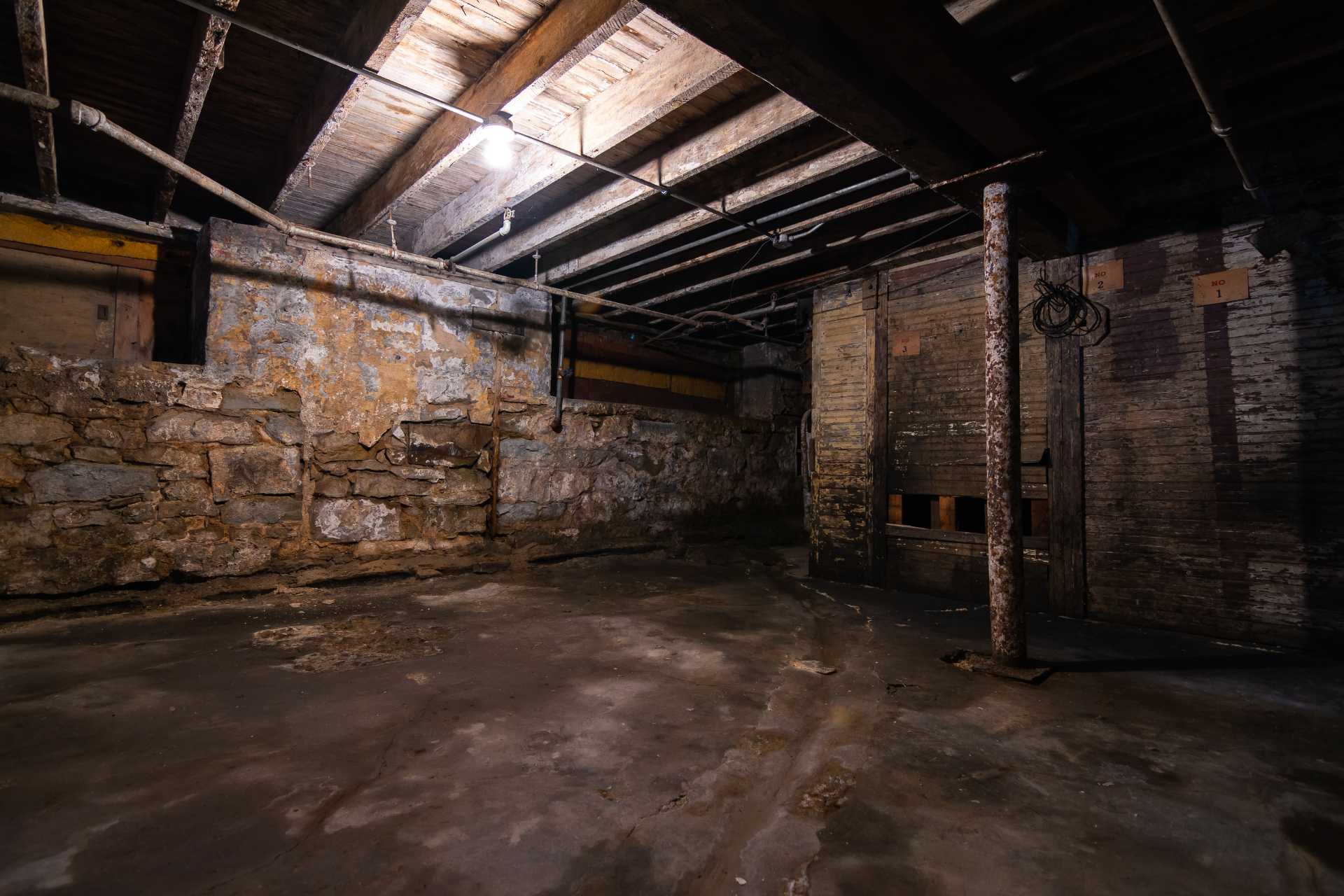
Stepping down into a lower-level living space should feel just as comfortable as walking into any upper room of your home. Unfortunately, for thousands of property owners, that initial descent is met with a heavy, damp atmospheric wall. This distinct signature is a clear indication that subsurface moisture is actively migrating through your below-grade infrastructure. Addressing these issues immediately with strategic basement waterproofing frameworks is the only way to convert a damp utility space into a healthy, dry room. If you notice your basement air feels constantly thick or heavy with a distinct musty smell, it is a direct warning sign that your property requires serious structural attention.
Many people assume a faint, stale odour down below is a completely normal part of owning a house with an older concrete foundation. They spend years purchasing temporary plug-in air fresheners, hanging scented moisture bags, or putting up decorative window coverings to hide dark, stained basement windows. These superficial fixes completely miss the root cause of the environmental issue. In reality, that air quality shift is a clear signal that raw environmental moisture has breached your primary building envelope. Taking a comprehensive, structural approach to below-grade water management allows you to stop the dampness at its source, preserving your structural framework for decades to come.
The Quick Edit
- The Concrete Wick: Unsealed foundation concrete acts like a hard stone sponge, continuously drawing in liquid water from surrounding wet soil via capillary action.
- The Pressure Source: Heavy seasonal rainstorms and melting snowbanks pack underground dirt tightly against your walls, creating immense hydrostatic pressure.
- The Active Shield: True environmental remediation requires a combination of exterior dimpled air-gap membranes, functional weeping tiles, and automatic sump pumps.
The Subterranean Catalyst: Hydrostatic Pressure and Concrete Porosity
The primary force driving moisture into your below-grade living space is a natural mechanical process known as hydrostatic pressure. When heavy seasonal rainstorms hit or massive winter snowbanks melt rapidly, the soil surrounding your home fills with water. This trapped liquid creates a massive amount of physical weight that presses tightly against the exterior surface of your lower walls. Because poured concrete and concrete blocks look hard and solid to the naked eye, it is easy to assume they form a completely waterproof barrier. In reality, concrete is a highly porous, stone-like sponge filled with millions of microscopic capillaries and tiny air pockets.
As the weight of the surrounding wet soil builds up, it physically forces liquid water deep into these tiny concrete pores. Once moisture enters the outer face of your foundation, capillary action draws it all the way through to the inside. This continuous migration occurs even if you cannot see active water drops or puddles running down your interior walls. The dampness simply evaporates straight off the inner concrete surface, raising the humidity level of your below-grade air. This invisible process creates a heavy, uncomfortable environment. It serves as an unarguable sign that your home needs basement waterproofing to arrest the deterioration of your primary load-bearing walls.
The Mechanics of the “Musty Smell”: Atmospheric Moisture Transfer
The classic, heavy odour that defines an untreated lower level is the direct result of a process called atmospheric moisture transfer. When liquid water evaporates off your inner foundation walls, it carries microscopic earth minerals and stale odours into your living space. This damp air gets trapped in below-grade rooms due to poor natural ventilation, lack of cross-breezes, and limited sunshine. This continuous humidity increase places a massive, unnecessary workload on your home’s main heating and cooling systems. Damp air requires significantly more thermal energy to heat or cool than clean, dry air, causing your seasonal utility bills to climb.
Furthermore, this heavy, moisture-laden air slowly seeps into your stored clothing, cardboard boxes, wooden wall studs, and carpet fibres. Over time, these porous household items absorb the stale, damp air, trapping the odour deep inside their fibres. This explains why running a small retail air purifier never provides a permanent musty basement smell solution. To truly eliminate that heavy air for good, you must step back and implement an active structural barrier. This barrier keeps water from touching your foundation walls in the first place, ensuring you maintain a dry basement regardless of seasonal weather extremes.
Diverting the Deluge: The Vital Role of Weeping Tiles and Sump Pumps
Breaking the cycle of underground moisture migration requires an engineered drainage system. This layout actively lowers the water table around your home’s footings. The absolute foundation of this defensive network is a professional exterior drainage weeping tile system. This installation involves placing a perforated pipe inside a deep trench. The trench is filled with washed gravel and dug right along the base of your foundation walls. As hydrostatic pressure pushes groundwater toward your home, the liquid naturally takes the path of least resistance. It flows smoothly through the gravel bed. It then drops directly into the holes of the perforated pipe before it can ever touch your concrete walls.
This underground pipeline is sloped carefully. The angle channels the collected water away into a secure indoor collection tank called a sump pit. Once the water level inside the sump pit rises to a specific point, an automatic mechanical switch triggers the system. This switch activates a heavy-duty submersible sump pump. The unit pumps the collected water out of your home through a dedicated discharge line. It dumps the liquid safely onto a lower section of your yard, far away from your foundation. Keeping this mechanical pump completely clear of dirt, mud, and debris guarantees excellent performance. It ensures your home handles intense seasonal weather patterns without backing up or flooding.
Indoor Environment Management: Overcoming the Sub-Grade Humidity Load
While fixing exterior drainage issues is the most important part of a waterproofing strategy, you must also manage the interior air to enjoy proper subterranean humidity control. Below-grade rooms are naturally prone to a process called seasonal condensation. This reaction occurs when warm, humid summer air drifts down into your cool basement and hits the cold concrete floor slabs. As that warm air cools down rapidly, it drops its moisture content directly onto your floors and lower walls, creating fine beads of sweat.
You can prevent this surface condensation by applying a high-quality, commercial-grade vapour barrier membrane directly over your bare concrete floors before installing underlayment. This heavy plastic sheet stops underground moisture from rising up into your subfloors, keeping your carpets bone-dry. Failing to manage this underlying moisture load creates a breeding ground for biological issues. It is a well-established scientific fact that the presence of mould and mildew can affect your family’s health negatively. This structural contamination triggers chronic respiratory issues, asthma flare-ups, and severe allergic reactions among sensitive inhabitants, making mechanical waterproofing a matter of physical safety.
The Below-Grade Water Deflection Matrix
Selecting the right combination of waterproofing materials is the easiest way to protect your lower-level renovation investment for the long haul:
| Waterproofing Defense Component | Primary Mechanical Function | Core Targeted Structural Protection | Long-Term Asset Benefit |
Dimpled Air-Gap Membrane | Creates a physical plastic barrier on the outer foundation wall. | Relieves hydrostatic soil pressure foundation forces. | Prevents water from ever touching raw concrete pores. |
Perforated Weeping Tile | Collects rising groundwater at the base footing level. | Bypasses water accumulation around the lower floor seams. | Channels heavy storm runoff away from the building. |
Submersible Sump Pump | Mechanically pumps collected pit water out of the house. | Prevents structural basement flooding during rapid spring snowmelts. | Provides automated, round-the-clock flood protection. |
Interior Vapor Barrier | Seals the interior floor slabs against capillary action. | Blocks rising underground moisture from warping floorboards. | Eliminates damp air pockets under carpets and laminate. |
Advanced Drainage Integrity: Grading and Gutter Systems
Many property owners spend thousands of dollars on interior solutions while completely ignoring the landscape grade surrounding their building envelope. Your yard should act as a natural shield, utilizing gravity to slope away from your foundation walls at a minimum drop of six inches over the first ten feet. When the ground slopes back toward the house, it forms an artificial funnel that directs thousands of gallons of surface water straight into your perimeter dirt. This pooling effect overloads your underground weeping tiles, pushing your mechanical systems to their breaking points during intense downpours.
Similarly, your roof’s gutter network must be meticulously maintained to protect your basement from subsurface water pooling. Clogged eaves troughs cause heavy rainfall to spill over the sides, dropping a massive volume of water directly along your foundation seam. Ensure your downspout extensions reach at least two meters away from your walls before discharging their contents. Correcting these simple exterior drainage issues works hand-in-hand with your waterproofing membranes. This approach significantly reduces the hydrostatic pressure load on your concrete walls and keeps your below-grade infrastructure completely safe from unexpected leaks.
Reclaiming Your Underground Footprint
Ignoring a heavy, damp atmosphere in your lower level is an expensive mistake that directly threatens your home’s structural health. Leaving your foundation unprotected against hydrostatic pressure opens your property up to severe concrete cracking, ruined wall framing, and diminished home equity. By installing an exterior dimpled air-gap membrane, keeping your weeping tiles clear, and running a dependable automated sump pump, you completely block water migration. Taking a proactive, structured approach to your home’s drainage needs ensures you permanently eliminate that stubborn, musty smell. This careful investment allows you to expand your dry, comfortable living space and protect your family’s physical and financial health for decades to come.