Navigating the seasonal shifts of the Canadian climate requires property owners to pay close attention to the structural health of their homes. When preparing to purchase a new property, working with a qualified real estate agent is essential to spot hidden basement issues before signing any contracts. While cosmetic updates like new flooring or modern paint colours draw all the attention during a standard open house, the property’s most critical defence mechanism sits completely hidden beneath the ground level. Investing early in high-quality basement waterproofing protects your entire structural investment, ensuring that heavy spring thaws and intense autumn downpours do not compromise your home’s foundation.
Failing to establish a clear drainage plan creates an immediate point of vulnerability for your lower living levels. Without an active system to manage the surrounding groundwater, the soil outside your foundation walls quickly becomes completely saturated. This trapped water places an immense, continuous force against your buried concrete panels, leading to structural failures that are incredibly costly to repair. Relying entirely on simple solid concrete walls to keep your home dry is a losing gamble. True moisture protection requires a dedicated, active system designed to relieve subsurface water accumulation before it ever has a chance to push its way inside your living space.
The Quick Edit
- The Floating Illusion: A basement does not sit in dry earth; during heavy thaws, your home acts like a boat hull floating inside a deep lake of highly saturated soil.
- The Invisible Valve: A weep tile system acts as a mechanical release valve, gathering groundwater at the footer level and routing it away before it causes damage.
- The Air Quality Link: Keeping subfloor moisture under complete control prevents the spread of airborne particles that threaten your family’s daily respiratory health.
The Hydrostatic Threat: The Physics of Wet Basements
To understand why subfloor drainage is so vital, you must look closely at the physical forces acting against your foundation walls. When heavy rain falls or winter snow melts rapidly, large volumes of water move straight down through the loose soil surrounding your home. Once this water hits the dense, undisturbed clay layers below your foundation footings, it stops moving downward and starts pooling up around your basement walls. This accumulation creates an immense lateral force known as hydrostatic pressure.
Hydrostatic pressure is the primary force behind almost all residential basement leaks. Poured concrete is inherently porous, meaning it is full of microscopic pathways and hairline curing cracks. When thousands of pounds of water pressure press against the exterior face of the wall, moisture is actively forced through these small channels and out into your finished space. Over time, this continuous pressure widens hairline fractures, warps floorboards, and leaves behind white, powdery mineral deposits known as efflorescence along your lower walls.
Anatomy of a Weep Tile System: The Release Valve
A weep tile system—historically made of short clay tiles but built today using perforated high-density polyethylene piping—is your primary weapon against hydrostatic force. These pipes are installed around the external perimeter of your home right alongside the concrete footing. The pipe features thousands of precise, microscopic slits cut along its length. As groundwater levels rise around the base of the house, the water naturally enters these small openings rather than pooling up tightly against the dense concrete foundation walls.
Once the groundwater enters the perforated pipe, gravity carries it smoothly along a sloped path toward a dedicated drainage outlet. In most modern Canadian properties, this pipeline connects straight to an indoor sump pit buried in the corner of your utility room. An automated mechanical pump then lifts the water up and discharges it out onto your lawn or into the municipal storm lateral, keeping the entire perimeter safe and dry. The weep tile does not actually seal your walls; it simply removes the physical water pressure that causes leaks in the first place.
Interior vs. Exterior Drainage: Engineering the Right System
When a home’s original drainage pipe fails due to age, shifting soil, or root blockages, you must decide between internal and external correction methods. An exterior replacement is the traditional choice, requiring heavy excavation equipment to dig down to the footings around the outside of your home. This method allows technicians to fix exterior wall cracks directly, apply a fresh rubberized coating, and lay down new gravel beds over the pipe. While highly effective, exterior excavation disrupts your landscaping, decks, and paved driveways.
For properties with mature trees, tight lot lines, or expensive exterior structures, an interior drainage configuration is often the smartest choice. This internal method involves jackhammering a thin trench along the inside perimeter of your basement floor slab. Technicians lay a new perforated pipe directly into the subfloor trench, cover it with clean drainage stone, and pour fresh concrete over the gap. This configuration catches water as it passes beneath the footing, draining it safely away to the sump pump before it can ever rise high enough to damp your basement floor.
The Health Connection: Air Quality and Moisture Control
Addressing water intrusion early is vital because ignoring subfloor moisture presents serious health risks for everyone inside the house. Saturated soil and leaking concrete sheets keep your indoor relative humidity levels extremely high, creating an ideal environment for biological growth. You must remember that the presence of mould and mildew can negatively affect your family’s health, leading to chronic sinus irritation, severe asthma attacks, and ongoing allergic reactions.
Once toxic spores establish a foothold inside damp wall cavities or behind finished basement drywall, removing them requires expensive remediation. A failed or missing drainage pipe will consistently drive up indoor moisture levels, allowing dampness to rise into your main-floor living spaces through simple air currents. Installing a high-capacity modern drainage pipe stops this water accumulation right at the source, drying out your lower levels and providing your household with safe, clean indoor air.
Long-Term Asset Protection: Preventing Odours and Structural Harm
A home that suffers from chronic subfloor water accumulation will quickly reveal its underlying problems through distinct sensory warnings. Homeowners routinely try to mask the musty smell of a damp basement using plug-in air fresheners or running loud dehumidifiers all day long. However, these temporary fixes do nothing to stop the physical water that is actively soaking into your structural framing. That heavy smell is a clear warning sign that your subfloor drainage has broken down and needs professional attention.
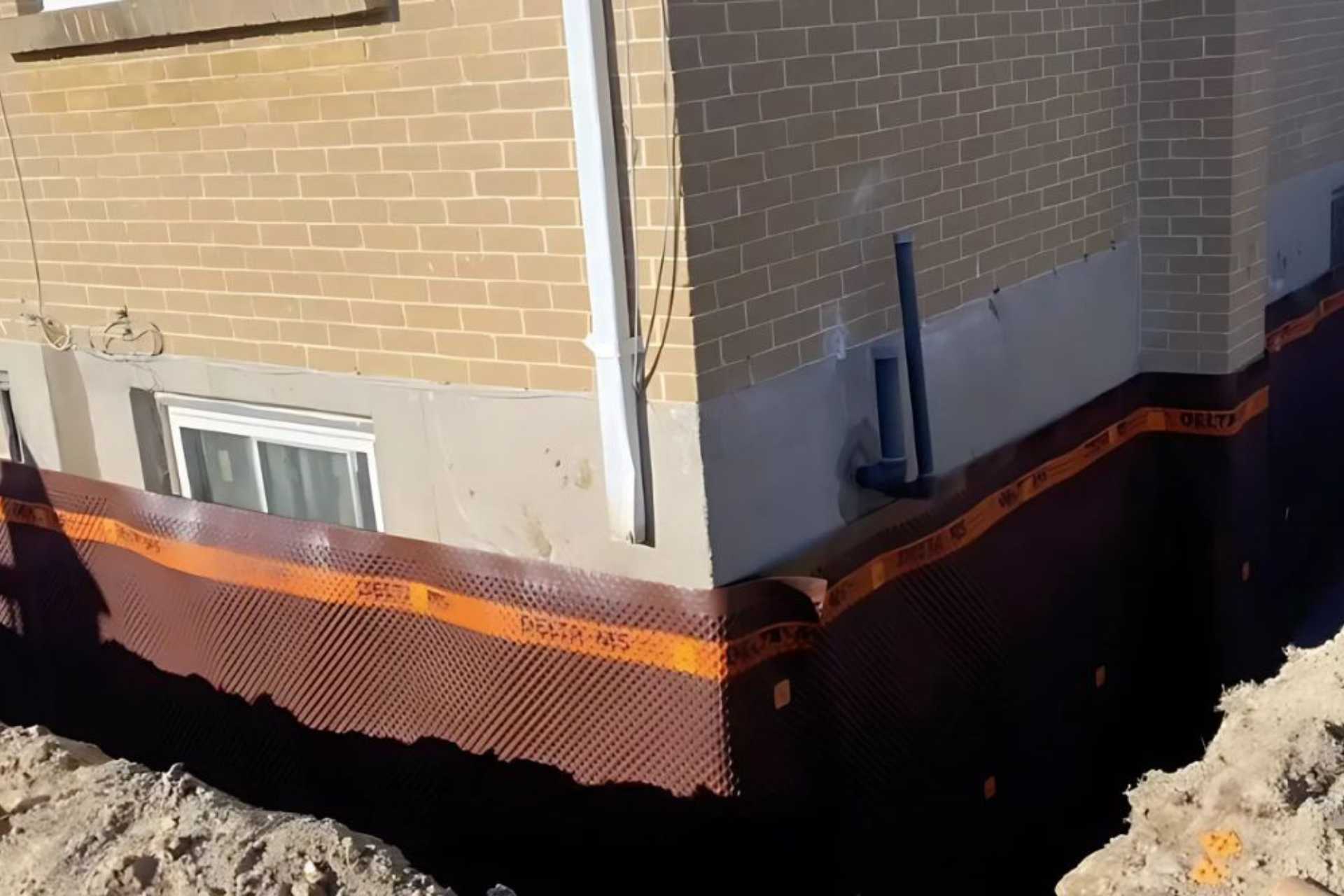
To permanently secure your property, modern engineering relies on a robust multi-layer basement waterproofing strategy. This comprehensive process pairs your new perforated drainage pipe with thick dimpled air-gap membranes and high-density exterior insulation shields. The dimpled plastic membrane guides wall seepage straight down into the gravel bed below, completely isolating your interior living space from exterior groundwater. This complete mechanical upgrade keeps your foundation bone-dry, eliminating musty odours and ensuring your lower level remains a warm, valuable space for years to come.
System Maintenance: Keeping Your Release Valve Operational
Just like your roof gutters or your vehicle, an underground drainage system requires occasional checkups to guarantee it continues working through severe weather events. Over decades of continuous service, fine silt particles, shifting clay sands, and small tree roots can slowly migrate into the gravel bed, creating clogs that slow down water flow. If your pipeline becomes blocked, groundwater will start pooling around your footings again, causing unexpected leaks during sudden spring thaws.
To prevent sudden blockages, modern systems are built with accessible plastic inspection ports that extend straight up to the ground level. Drainage contractors can easily flush out accumulated dirt using high-pressure hydro-jetting tools right through these cleanout pipes. Additionally, testing your sump pump switch every spring and checking that your exterior discharge lines are clear of winter ice ensures your system handles extreme downpours effortlessly. Spending a little time on basic checkups prevents unexpected structural failures, keeping your home perfectly dry through every season.
Securing Your Home Against Subsurface Water Forces
Maintaining a fully functional weep tile system is the single most effective action you can take to shield your Canadian property from water damage. This essential subfloor pipeline acts as a highly reliable release valve, gathering rising groundwater and channelling it away safely before it can ever press hard against your concrete foundation. Relieving this relentless hydrostatic pressure prevents small wall cracks from widening, protects your expensive interior finishes, and keeps your foundation perfectly straight and stable.
Furthermore, keeping your subfloor perfectly dry is essential for protecting your family’s daily respiratory health. Eliminating high basement humidity stops toxic mould and musty odours from taking over your lower living levels. Whether you invest in a comprehensive exterior excavation or opt for a clean interior trench system, upgrading your drainage hardware keeps your structure perfectly balanced and safe. Taking care of your foundational health early stops small leaks from evolving into structural crises, ensuring your home remains a safe, valuable asset for the long haul.