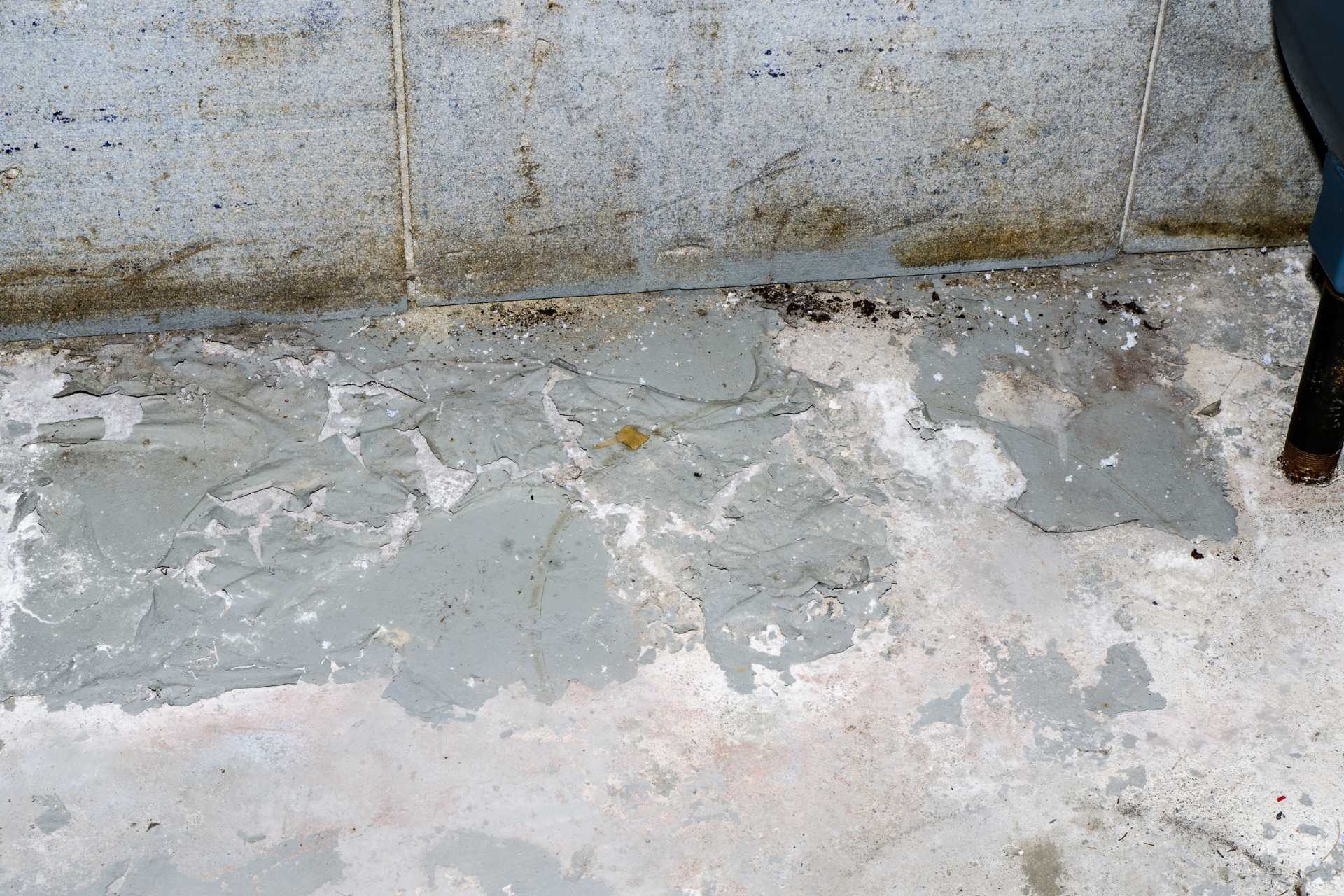
White powder forming on basement walls often appears harmless at first glance. Many homeowners assume it is simply surface residue or aging concrete. In reality, this chalky buildup is closely linked to moisture moving through foundation walls. When water travels through porous concrete and evaporates, it leaves mineral deposits behind. Efflorescence is not just cosmetic; it signals underlying moisture intrusion.
Homeowners frequently prioritize upgrades like furnace repair or other visible improvements while overlooking signs of foundation moisture. However, addressing efflorescence early is an important part of effective basement waterproofing. Persistent white residue is often an obvious sign that your basement needs waterproofing rather than just cleaning. Recognizing the connection between surface deposits and structural moisture is critical for long-term protection. Understanding the cause allows homeowners to prevent more serious foundation issues.
What Is Efflorescence?
Efflorescence is a white, powdery substance that forms on concrete or masonry surfaces when water moves through the material and evaporates. As moisture travels through the pores of concrete, it dissolves naturally occurring salts within the material. When the water reaches the surface and dries, it leaves those salts behind as a visible residue. This process can repeat over time if moisture intrusion continues. While the appearance may seem minor, it reflects ongoing water movement within the foundation.
Efflorescence itself does not directly cause structural damage, but it indicates that water is present where it should not be. Moisture inside foundation walls can weaken materials gradually and create ideal conditions for mould growth. It may also signal that exterior drainage systems are not functioning properly. Repeated mineral buildup should not be dismissed as harmless staining. Instead, it should prompt further evaluation of basement moisture conditions.
What Causes Efflorescence on Basement Walls?
Efflorescence forms when water penetrates foundation walls and travels through porous concrete. This moisture can enter through small cracks, poorly sealed joints, or inadequate exterior drainage. As groundwater builds around the perimeter of the home, pressure pushes moisture inward. Over time, repeated exposure increases the likelihood of visible salt deposits forming on interior surfaces. These deposits indicate that water movement is ongoing rather than occasional.
Seasonal weather changes also contribute to the problem. When snow melts or heavy rainfall saturates the soil, moisture levels around the foundation increase significantly. In colder climates, snow and ice negatively affect your home’s foundation by creating freeze-thaw pressure and allowing water to seep into small openings. If drainage systems are insufficient, water will continue to find entry points. Persistent exposure eventually makes efflorescence more visible and more frequent.
Why Efflorescence Is a Warning Sign, Not Just a Stain
Efflorescence may look like harmless surface residue, but it reflects consistent moisture movement through foundation walls. When water continues to pass through concrete, it can gradually weaken structural materials. Repeated exposure to moisture increases the risk of cracking, deterioration, and long-term instability. What appears to be a cosmetic issue can actually signal deeper foundation concerns. Ignoring it may allow minor moisture intrusion to evolve into more serious damage.
Over time, persistent water exposure can contribute to cracking and pressure buildup along basement walls. In some cases, lateral soil pressure combined with moisture can lead to basement wall bowing, which requires structural correction. Continued neglect may increase the likelihood of foundation stress and, in extreme situations, basement structural failure. Efflorescence should therefore be treated as an early indicator rather than a superficial flaw. Addressing the underlying moisture source is essential to protecting long-term structural stability.
The Role of Hydrostatic Pressure in Basement Moisture
Hydrostatic pressure develops when groundwater accumulates in the soil surrounding a foundation. As moisture levels rise, the weight of that water creates pressure against the basement walls. Concrete, while strong, is porous and can allow moisture to pass through when external pressure increases. Over time, this constant force pushes water through small cracks and joints. The result is ongoing dampness and repeated mineral deposits on interior surfaces.
Seasonal conditions can intensify this pressure. Heavy rainfall and melting snow increase soil saturation, making it harder for water to drain away naturally. In colder regions, snow accumulation followed by thawing can further stress the foundation, especially when drainage systems are inadequate. Preparing the exterior drainage system ensures the home’s foundation is ready for heavy rain rather than overwhelmed by sudden moisture. Managing hydrostatic pressure is a critical component of long-term moisture control.
How Basement Waterproofing Prevents Efflorescence
Effective basement waterproofing focuses on stopping moisture before it enters foundation walls. Exterior membrane systems create a protective barrier that prevents groundwater from penetrating porous concrete. Proper drainage systems, including weeping tiles and perimeter drains, redirect water away from the foundation. When moisture is controlled at the source, mineral deposits no longer have the opportunity to form inside the basement. Preventing water intrusion is far more effective than repeatedly cleaning surface residue.
Interior measures may also support moisture control when used appropriately. Sump pump systems help remove accumulated groundwater, while interior drainage channels relieve pressure at the base of foundation walls. However, interior solutions alone may not fully resolve exterior hydrostatic pressure. A comprehensive waterproofing strategy addresses both entry points and drainage management. Long-term protection depends on eliminating the conditions that allow efflorescence to develop in the first place.
Interior vs Exterior Waterproofing Solutions
Interior waterproofing methods are designed to manage water after it has entered the basement. These systems often include interior drainage channels, sump pumps, and vapour barriers that help redirect moisture away from living spaces. While effective in controlling visible water accumulation, interior solutions do not always stop moisture from contacting the exterior foundation walls. They manage symptoms rather than eliminating the source of hydrostatic pressure. In some cases, they are appropriate as part of a broader moisture control strategy.
Exterior waterproofing addresses the root cause by preventing water from reaching foundation walls in the first place. Excavating around the home allows contractors to install protective membranes and improve drainage systems. This approach reduces soil saturation and lowers the pressure exerted against the foundation. When efflorescence appears repeatedly, it can be an obvious sign that your basement needs waterproofing beyond simple interior remedies. Selecting the correct approach depends on the severity of water intrusion and long-term structural goals.
Signs You May Need Professional Waterproofing
Recurring white deposits on basement walls should never be ignored. When efflorescence continues to reappear after cleaning, it indicates that moisture intrusion is ongoing. Damp patches, peeling paint, or musty odours often accompany mineral buildup. These symptoms suggest that water is entering the foundation consistently rather than occasionally. Persistent moisture is rarely resolved without addressing drainage or sealing deficiencies.
Additional warning signs may include small foundation cracks or visible staining near floor joints. Over time, continued exposure to moisture can weaken materials and create structural stress. If hydrostatic pressure remains unmanaged, conditions may worsen during heavy rainfall or snowmelt. Early evaluation helps determine whether drainage improvements or structural waterproofing measures are necessary. Acting promptly reduces the likelihood of escalating damage and costly repairs.
Moisture Control Protects More Than Appearance
Efflorescence on basement walls is not just a cosmetic issue but a visible sign of ongoing moisture intrusion. When water repeatedly penetrates foundation walls, it increases the risk of structural stress, cracking, and long-term deterioration. Seasonal conditions and hydrostatic pressure can intensify the problem if drainage and exterior protection are inadequate. Effective basement waterproofing addresses the source of moisture rather than simply removing surface residue. Managing water around the foundation protects structural integrity, indoor air quality, and long-term property value.