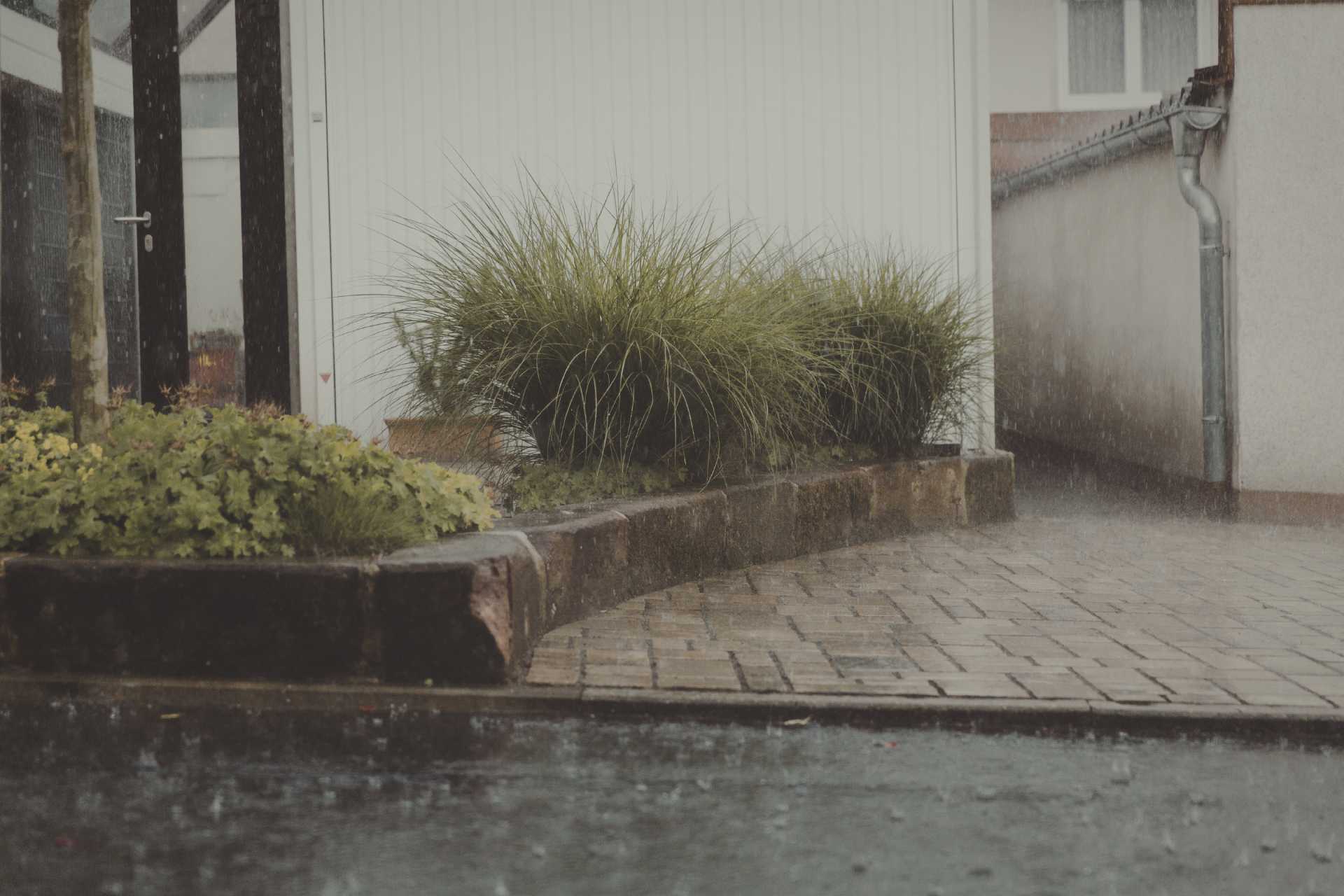
In the volatile Ontario climate of 2026, a driveway is more than a simple parking surface. It is the primary water-management system for the entire front of your property. While many homeowners prioritize internal upgrades, a professionally engineered concrete driveway serves as the first line of defence for your home’s structural integrity. When a spring thaw hits, thousands of gallons of snowmelt must go somewhere. If your driveway is not designed to move that water, your foundation pays the price. Just as catch basin cleaning ensures the municipal lines stay clear, a high-performance slab utilizing trench drains and concrete sloping ensures that runoff never reaches your basement walls in the first place.
The Physics of the “Perfect Pitch”: The 2% Rule
The secret to a dry foundation is not just a thick slab of concrete; it is the “pitch.” A professional concrete installation follows a strict geometric standard known as the 2% rule. This means for every foot of distance, the concrete must slope away from the house by at least one-quarter of an inch.
This precision is where high-end installations shine. Unlike asphalt, which is flexible and prone to sagging over time, a reinforced concrete slab maintains its rigid grade for decades. Asphalt often develops “dips” or “birdbaths” near the garage door. These depressions act as funnels, trapping water against the house. By contrast, the strategic combination of trench drains and concrete sloping remains a flat, pitched shield. It ensures that gravity does the work of moving water toward the street, where it belongs.
The Trench Drain: The “Interception Valve” of the Driveway
For many Ontario properties, especially those with steep or long lots, gravity alone is not enough to handle a heavy 2026 rain event. This is where the trench drain—also known as a channel drain—becomes essential. This long, narrow inlet is installed flush with the concrete surface, usually at the mouth of the garage or along a property line.
The trench drain acts as a high-capacity “interception valve.” During a massive storm, water moves across the concrete in a wide “sheet flow.” Without a drain, this volume of water can easily overwhelm a standard garage seal or spill over into a side walkway. Implementing trench drains and concrete sloping captures this flow and whisks it away through underground piping. For homeowners, this is a critical piece of infrastructure. It provides peace of mind that even a record-breaking summer downpour will not result in a flooded garage or an overloaded sump pump.
Combatting the Freeze-Thaw Cycle
The greatest threat to a Canadian driveway isn’t actually the weight of the cars; it is the “yo-yo” temperatures of March. The freeze-thaw cycle damage on the driveway occurs when water enters small cracks or pores in the surface, freezes, and then expands with immense force. Over time, this causes “spalling” or “flaking,” which ruins the aesthetic of the stone.
A professionally installed concrete system mitigates this risk through superior drainage. By utilizing trench drains and concrete sloping, the surface stays dry. If there is no standing water to freeze, the expansion cycle cannot take place. Furthermore, winterproofing a concrete driveway with a high-quality penetrative sealer adds an extra layer of protection. This sealer prevents road salt and meltwater from entering the concrete’s capillaries, ensuring the “shield” remains structurally sound for over 30 years.
Protecting the Foundation: The Big Picture
Property owners often overlook the connection between their driveway and their basement. When water pools on a poorly sloped driveway, it creates “hydrostatic pressure” against the foundation walls. This pressure is the leading cause of structural cracks and leaks.
Professional basement waterproofing protects your foundation from pooling water, but a well-drained driveway reduces the “hydraulic load” on that waterproofing system to begin with. By effectively utilizing trench drains and concrete sloping to move water 20 or 30 feet away from the house, you ensure that your weeping tiles and interior membranes never have to work at full capacity. This holistic approach to water management is what separates a “standard” home from a “high-performance” asset in 2026.
The 2026 Aesthetic: High-End Concrete Features
In the modern real estate market, infrastructure doesn’t have to look industrial. Trench drains now come with decorative grates made of cast iron, stainless steel, or even hidden “slotted” designs that blend into the surrounding texture. Whether you choose a modern broom finish or a luxury stamped concrete aesthetics, the integration of trench drains and concrete sloping can enhance the visual appeal of the property.
Furthermore, the shift toward Electric Vehicles (EVs) in 2026 has changed the requirements for driveway strength. EVs are significantly heavier than traditional internal combustion vehicles. A professional concrete driveway is reinforced with rebar and poured at a higher PSI (pounds per square inch) to handle these concentrated loads without cracking. This durability ensures that the driveway remains a high-value asset for the lifetime of the home.
The Financial ROI of Professional Engineering
Choosing a professionally engineered concrete driveway is a commitment to the long-term health of your property. While the upfront cost is higher than that of asphalt, the ROI is found in what doesn’t happen. Homeowners avoid paying for expensive foundation crack repairs. There is no need to replace a flooded garage floor. Furthermore, you can forget about resurfacing your driveway every eight years.
In a competitive market, a documented history of professional drainage and winterproofing a concrete driveway is a major selling point. It tells a potential buyer that the “invisible” parts of the home have been managed with the same care as the visible ones. It proves that the home is ready to face the extreme weather of the coming decades without missing a beat.
A Foundation-First Investment
A driveway shouldn’t be a liability that floods your basement; it should be an asset that protects it. By prioritizing the installation of trench drains and concrete sloping, you transform a parking slab into a sophisticated foundation shield.
True home comfort and structural security start from the ground up. If you want to protect your foundation, start with the surface that surrounds it. Invest in a concrete driveway that works as hard as you do to keep your home dry, safe, and beautiful for the next 30 years.