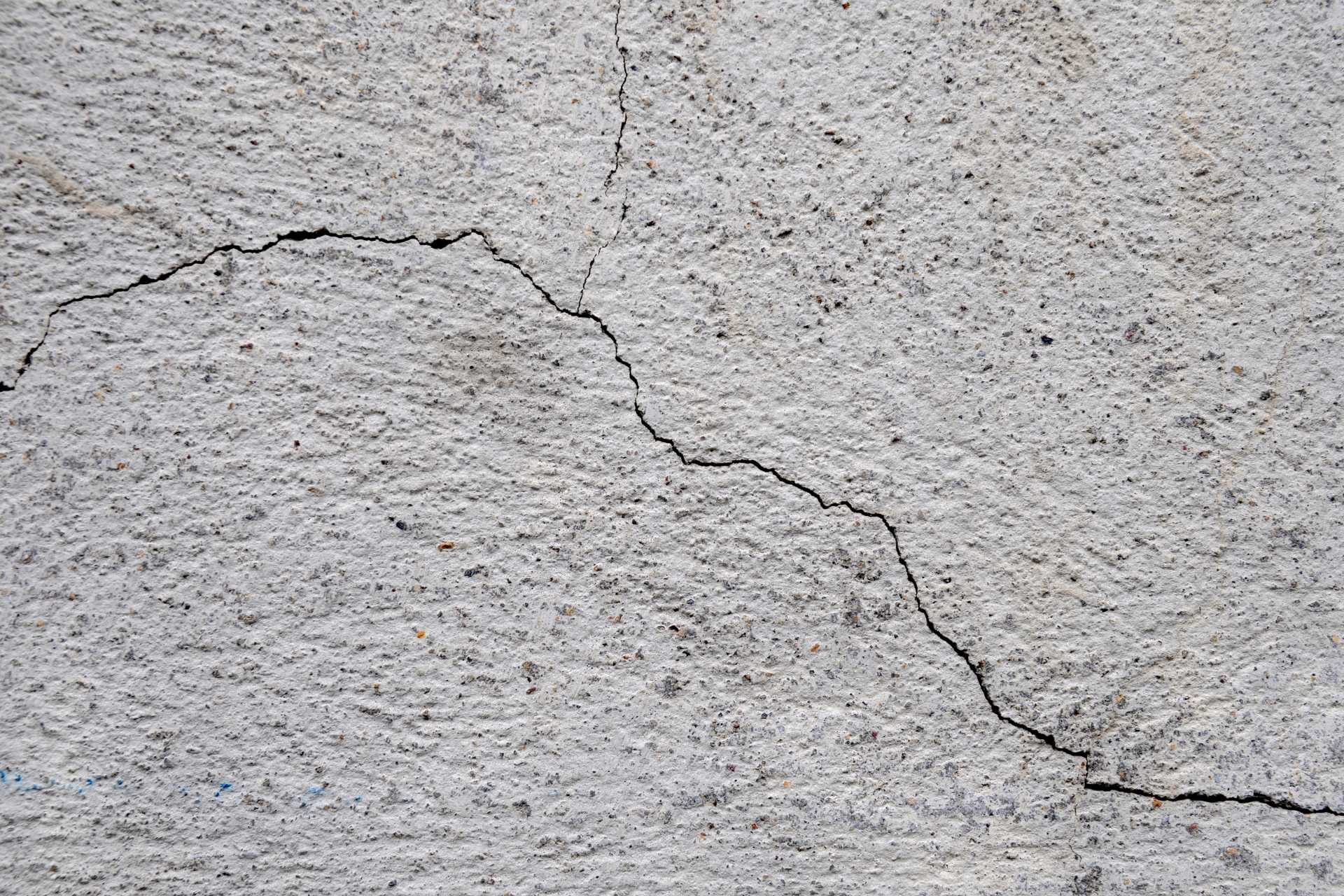
Stepping into a dark basement utility room can bring you face-to-face with a terrifying sight. A thin, jagged line stretches across the bare concrete wall. It is easy to ignore a loose deck board. A drafty window can wait. However, even simple hairline cracks in the lowest level of a property instantly trigger thoughts of unstable ground. They bring fears of massive repair bills. Major asset preservation projects like roofing upgrades or siding installations are usually planned years in advance. Conversely, foundation issues show up unannounced. They force families to confront the literal stability of their property.
The core dilemma centers on a single question. Is a newly discovered crack just a harmless cosmetic side effect of an aging house? Or is it an early warning sign of a compromised structure? Concrete is rigid. Houses naturally shift into their environments over time. Yet, when a tiny fracture begins to lengthen, widen, or leak, it means trouble. The earth beneath the property is actively moving. A home may sink unevenly. It can pull away from its original seat. When this happens, a specialized structural excavation known as basement underpinning becomes the only definitive way to halt the destruction.
Basement underpinning addresses the root cause of structural shifting. It does not just mask the symptoms. To properly protect your asset, you must look past the surface of the drywall. You need to understand what these fractures are revealing about your home’s structural health. Only then can you decide if a comprehensive project like basement underpinning is required to save it.
The Quick Edit: Key Takeaways
Evaluating foundation health requires looking past the cosmetic surface to understand the mechanical forces acting upon your home. Minor superficial cracking is common, but active structural failure demands a specialized, permanent remedy.
The diagnostic matrix below outlines how professional structural engineers differentiate between minor settling anomalies and severe issues that require immediate basement underpinning:
| Structural Diagnostic Metric | Minor Cosmetic Cracking | Severe Structural Settling |
Crack Width & Vector | Hairline width (under 1/16-inch); generally vertical. | Wide gaps (over 1/4-inch); horizontal or stair-step patterns. |
Slab/Wall Alignment | Perfectly flush; no offset or stepping across the crack. | Displaced concrete; walls bowing inward or shifting outward. |
Secondary Symptoms | Isolated entirely to the concrete foundation wall. | Stuck upper-floor doors, cracked drywall, sloped flooring. |
Remediation Strategy | Topical polyurethane/epoxy injections or flexible sealants. | Comprehensive basement underpinning to stable soil strata. |
In our volatile regional climate, understanding the exact impacts of seasonal changes on your home’s foundation is critical. The shifting environmental stresses of the winter freeze and spring thaw dictate how quickly a minor hairline fracture can transform into a full structural emergency.
Deciphering the Lines: When is a Crack Just Cosmetic?
To avoid unnecessary panic, every homeowner should recognize that not all concrete cracks are created equal. Concrete is an inherently rigid, brittle material that naturally undergoes volumetric changes as it ages. When a home is first constructed, thousands of gallons of water are mixed into the wet cement. As that concrete dries over the subsequent months and years, it naturally loses moisture and shrinks. This shrinkage creates internal tensile stresses that are almost always relieved by the formation of thin, vertical hairline cracks.
These cosmetic lines are generally uniform in width, perfectly flush across the surface, and do not indicate a compromised structural core. They are simply an evolutionary reality of working with cement. Because they are completely stable, they do not require a massive structural intervention like basement underpinning. Instead, these minor gaps can be easily addressed using flexible polyurethane or epoxy injections, which effectively seal out moisture and dust without the need for heavy machinery or excavation. Recognizing these harmless anomalies ensures that resources are saved for actual structural emergencies when basement underpinning is truly necessary.
Red Flags: When Hairline Cracks Mean Structural Settling
While some fissures are harmless, ignoring a changing foundation wall can lead directly to a catastrophic basement structural failure. Homeowners must learn to spot the red flags that separate harmless shrinkage from active, dangerous structural movement. If a crack begins as a hairline fracture but slowly expands into a jagged, stair-step pattern through concrete blocks or exterior brickwork, the home is experiencing uneven load distributions. This occurs because one corner or section of the house is sinking faster than the rest, tearing the masonry apart along its weakest joints.
Another clear warning sign is a tapered fracture—one that is thin at the bottom but grows noticeably wider at the top. This geometry indicates that a foundation wall is actively tilting or rotating outward, an issue that simple surface patches can never fix. Because the entire structural frame of a house is interconnected, these basement failures quickly telegraph to the upper floors. If you notice doors that suddenly stick in their frames, sloping floors in the kitchen, or mysterious cracks appearing in your main-floor drywall, your foundation is actively sinking. When these warning signs converge, immediate basement underpinning is required to catch the home before the structural damage becomes irreversible.
The Environmental Culprits: Why Canadian Foundations Shift
To truly appreciate why basement underpinning is required for certain properties, one must look at the extreme environmental factors acting against Canadian homes. Our climate is notorious for putting massive physical strain on building materials. Chief among these stresses is the intense freeze-thaw cycle. When autumn rain saturates the soil surrounding your home, that water is trapped against the concrete. As winter temperatures plummet, that groundwater freezes and expands with immense force, creating hydrostatic pressure that pushes aggressively against the basement walls.
Furthermore, many Canadian urban areas are built over deep expansive clay soils. Clay acts like a giant sponge. It swells dramatically during wet spring thaws and shrinks drastically during hot, dry summer months. This constant cycle of swelling and shrinking creates a shifting void beneath your home. When the soil shrinks away, it leaves the heavy concrete foundation suspended over thin air, causing the structure to drop and split. Over time, this shifting soil allows moisture to breach the home, leading to persistent basement dampness that ruins finishes and compromises indoor air quality. When the surrounding earth can no longer support the weight of the structure, localized patches or topical sealants fail, making structural basement underpinning the only viable method to anchor the home to deeper, stable ground.
Enter Underpinning: The Ultimate Solution for Structural Shifting
When a home encounters deep soil instability, topical patches and temporary foundation braces are no longer enough. This is where professional basement underpinning becomes the definitive answer to structural movement. The process is a highly coordinated engineering method that involves digging beneath the existing foundation in strategic sections or “pins.” Crews carefully excavate the unstable soil from under the house and replace it with poured concrete footings that extend much deeper into the earth. By deepening the foundation, the home’s weight is transferred past shifting clay and frost lines down to stable, high-density soil layers or solid bedrock.
Ultimately, knowing that a solid foundation for your home matters means choosing permanent solutions over temporary fixes. Injecting epoxy into an active, structural crack is like putting a band-aid on a broken bone. If the house is sinking, the concrete will simply crack again next to the old repair. Comprehensive basement underpinning stops this destructive cycle entirely by stabilizing the home’s core structure. Once the underpinning sections cure, the building is permanently anchored. This protects your equity, prevents future interior drywall damage, and provides a level, rock-solid base that allows you to safely lower your basement floor for extra living space.
Don’t Guess When It Comes to Your Foundation
When dealing with the structural integrity of your home, guessing is a high-risk gamble. A single hairline crack might look identical to another, yet one could be a harmless cosmetic blemish while the other signals an active, sinking foundation. Misdiagnosing these early signs can mean the difference between a simple maintenance task and structural failure. Professional basement underpinning stands out as the gold standard for structural remediation because it removes the guesswork entirely, dealing with the root cause of the shift rather than just hiding the cracks.
Before committing to any major repair or foundation adjustments, always secure an inspection from an experienced structural engineer or specialist. They can accurately measure wall movement and soil density to design a lasting solution. Investing in basement underpinning when structural red flags appear does more than just secure your home. It preserves your long-term property value and delivers invaluable peace of mind. Keeping your foundation solid ensures your home remains safe, level, and dry through every harsh season ahead.