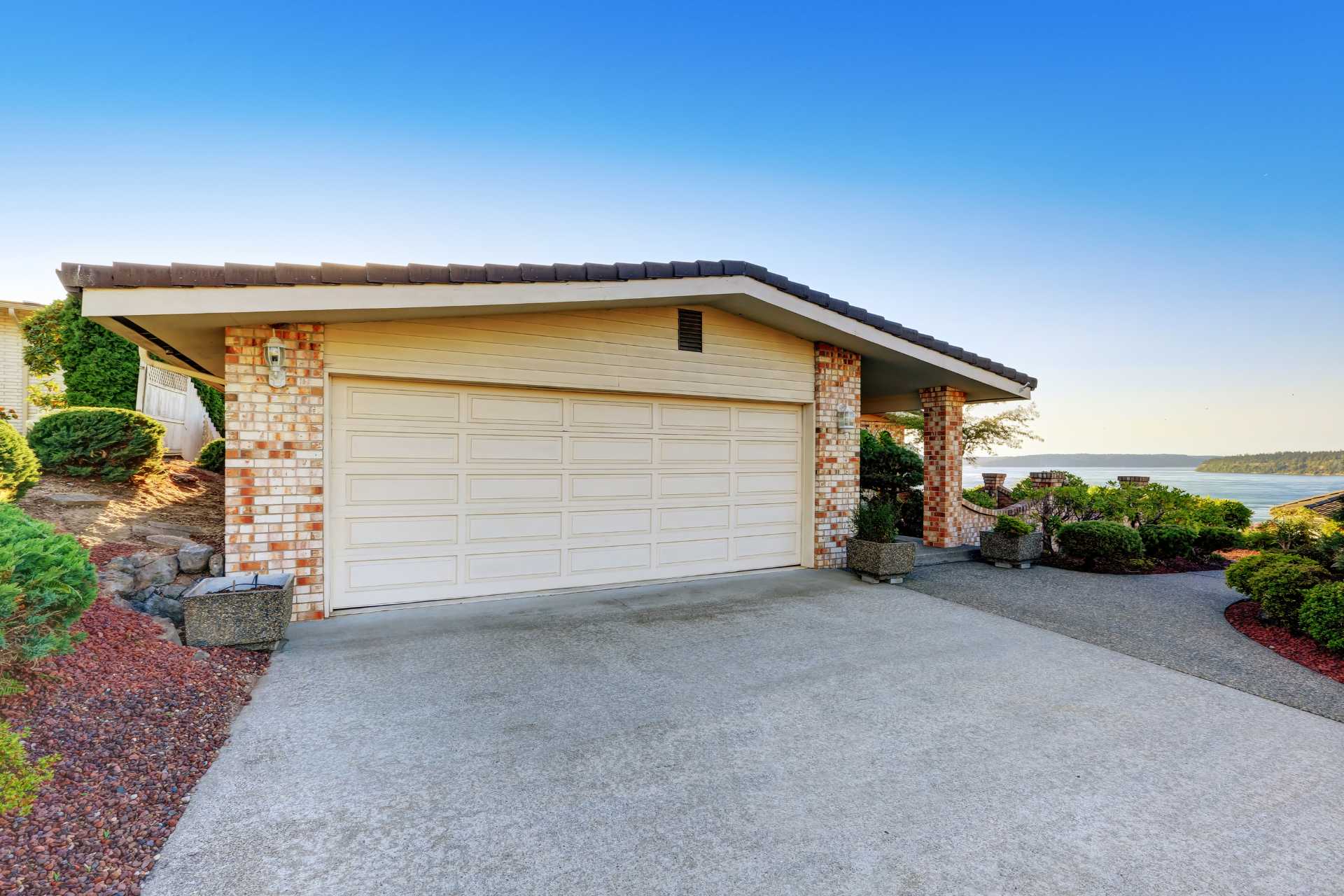
When homeowners consider major property upgrades, they often look toward the sky or the interior. They might consult a roofing company to ensure their overhead protection is sound, or they may focus on kitchen remodels that promise a high return on investment. While these are vital components of homeownership, the ground beneath your vehicles is often the most overlooked asset on the property. A concrete driveway investment is far more than a simple utility slab. It is the gateway to your home and a foundational element of your property’s overall value.
In 2026, the real estate market has become increasingly sophisticated. Buyers and appraisers are no longer just looking at square footage. They are looking at the quality and longevity of the home’s infrastructure. A significant investment in a permanent driveway solution is a signal of quality. It tells the world that the property is maintained to an elite standard. By reframing the driveway as a long-term capital improvement rather than a mere parking spot, you can unlock significant financial and aesthetic benefits.
The Financial Case: Capital Improvement vs. Constant Upkeep
The most common hurdle for homeowners is the initial price tag. It is true that the upfront cost of concrete is higher than that of asphalt or gravel. However, viewed through a financial lens, the higher cost is not an expense—it is a strategic move to preserve your cost basis. When you choose a “cheaper” material, you are essentially signing up for a subscription service of repairs. Asphalt requires sealing every two years, and a complete resurface roughly every decade.
When you calculate the benefits of a concrete driveway, the most glaring is the life-cycle cost. A professionally installed concrete slab can easily last 30 to 50 years with minimal intervention. By choosing concrete, you are effectively “pre-paying” for 40 years of parking. You eliminate the biannual stress of hiring contractors for seal-coating and the eventual messy tear-out of degraded asphalt. In a world where labour and material costs continue to rise, locking in a permanent solution today is a hedge against the inflation of future repair costs.
Curb Appeal Equity: The “Silent Closer”
Real estate experts often refer to curb appeal as the “silent closer.” It is the psychological set-point for a potential buyer. Before they even step through the front door, the driveway has already whispered a story about how the home has been cared for. A cracked, stained, or crumbling entrance creates immediate doubt. Conversely, a clean, expansive concrete entrance suggests structural integrity and pride of ownership.
The versatility of the medium has also evolved. Gone are the days of the monotonous grey slab. Some of the most popular concrete driveway finishes today include exposed aggregate, which provides a high-end textured look, and stamped concrete, which can realistically mimic slate, brick, or European cobblestone. These finishes allow the driveway to act as an architectural extension of the home’s façade. When your driveway harmonizes with your home’s stone accents or modern siding, it creates a cohesive “estate” feel that can significantly boost your asking price when it comes time to sell.
Engineering for the Demands of 2026
The physical demands on our driveways have changed significantly over the last few years. The rise of Electric Vehicles (EVs) has introduced a new variable: weight. Due to their massive battery packs, EVs are often significantly heavier than their internal combustion counterparts. Traditional thin-pave surfaces are prone to “rutting” or “shoving” under the concentrated weight of these modern vehicles.
A reinforced concrete driveway is engineered to handle these loads. By using a high-PSI mix and integrated rebar or wire mesh, the slab distributes the weight of heavy SUVs and EVs across a wider surface area. This prevents the sinking and “alligator cracking” that plagues inferior materials. Furthermore, concrete is remarkably resilient to the extreme heat cycles we are seeing in 2026. While asphalt softens and deforms during summer heatwaves, concrete remains rigid and cool, maintaining its shape and structural integrity regardless of the thermostat.
The Holistic Impact on Your Property “Envelope”
A significant driveway investment also plays a silent role in protecting your home’s foundation. A driveway is a massive drainage plane. When it is professionally graded, it acts as a shield, directing thousands of liters of rainwater and spring melt away from your garage and basement walls.
Many foundation issues are caused by water pooling at the edge of the house because the driveway has sunken or sloped toward the structure. Concrete’s rigidity ensures that the pitch remains consistent over decades. This helps manage the “property envelope,” ensuring that your basement stays dry and your soil remains stable. By investing in the ground outside, you are providing a secondary layer of protection for the structure inside.
Low-Effort, High-Reward: Maintenance in the Modern Era
One of the greatest luxuries of a significant concrete investment is the gift of time. Most modern homeowners are “time-poor,” and the last thing they want is a weekend project involving tar buckets and pressure washers. While no surface is truly “zero maintenance,” concrete driveway maintenance is remarkably simple.
Occasional power washing and the application of a high-quality sealer every few years are generally all that is required to keep the surface looking brand new. Concrete doesn’t track oil or “sticky” tar into your home on the bottom of your shoes, keeping your interior carpets and hardwoods cleaner as well. It resists weed growth and doesn’t “unravel” at the edges. It is a set-it-and-forget-it solution that allows you to focus your energy on enjoying your home rather than maintaining its entrance.
Safety and Accessibility
Beyond the financial and aesthetic perks, there is a practical safety element to consider. Concrete provides a much more stable and predictable surface for all members of the family. Whether it’s children learning to ride bikes or older family members utilizing mobility aids, a smooth concrete surface is far safer than uneven asphalt or loose gravel. During the winter months, concrete is also easier to clear. Snow shovels and blowers glide across the smooth surface, and the material’s light colour helps it absorb just enough ambient light to aid in the melting process once the sun comes out.
Securing Your Home’s Future Value
Choosing to install a premium driveway is a declaration of long-term intent. It is more than just a place to park your car. It is a significant investment in your home’s structural health and marketability. By prioritizing durability, engineering, and high-end finishes, you are future-proofing your property against the demands of modern vehicles and the volatility of the environment.
In the 2026 market, quality is the ultimate currency. A concrete driveway stands as a permanent testament to that quality. It ties the landscaping together, protects the foundation, and provides a maintenance-free experience that pays dividends for decades. When you look at the holistic benefits—from the increased equity to the daily ease of use—it becomes clear that this is one of the most significant and rewarding investments a homeowner can make.