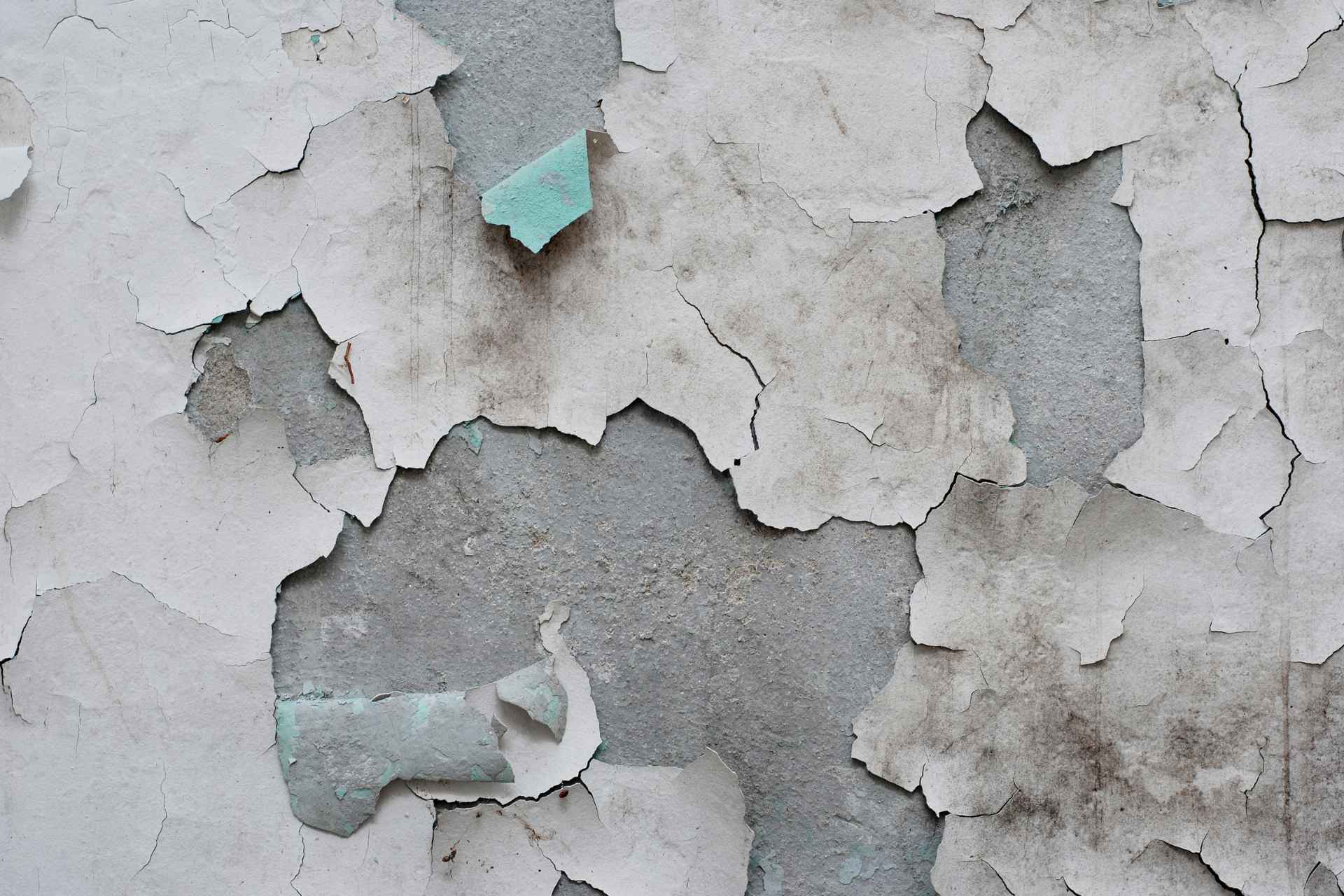
Flaking, bubbling, or peeling basement paint on concrete walls is often dismissed as a minor cosmetic nuisance. Homeowners frequently scrape off the loose scales, slap on a fresh coat of waterproof primer, and assume the problem is solved. However, paint refusing to adhere to subterranean masonry is rarely a surface-level failure. Instead, it serves as a direct symptom of underlying moisture migration operating within your foundation assembly. Comprehensive basement waterproofing involves diagnosing why water penetrates porous building materials rather than merely covering up the aesthetic damage.
Maintaining a resilient building envelope requires a systematic approach across all exterior entry points. Just as modern, insulated garage doors keep wind-driven rain, snow, and freezing drafts from entering attached upper garages, foundation walls must be engineered to resist constant lateral moisture pressure from the surrounding soil. When paint peels off lower concrete walls, it indicates that water vapour is actively pushing through the foundation, signalling the need for a permanent structural moisture solution.
The Quick Edit
- The Primary Cause: Peeling basement paint is caused by hydrostatic pressure and capillary action driving moisture and mineral salts through porous concrete from the outside.
- The Efflorescence Factor: White, powdery deposits behind peeling paint are crystalline salt deposits left behind as moisture evaporates, mechanically pushing paint films off the wall.
- The Permanent Solution: Surface-applied coatings only trap water inside the concrete. Lasting remediation requires managing exterior soil drainage and installing proper drainage systems.
The Science of Moisture Drive: Why Concrete Exudes Water
To understand why paint continuously lifts off basement walls, it helps to analyze the physical properties of concrete itself. While poured concrete and block foundations appear completely solid, they are actually porous, sponge-like materials laced with microscopic capillaries.
Two fundamental physics principles drive water from surrounding garden soil into your finished lower level:
1. Hydrostatic Pressure
When heavy rains fall, or winter snowpacks melt, surrounding soils become saturated. The sheer weight of this trapped groundwater generates hydrostatic pressure against exterior foundation surfaces. This force drives liquid water into microscopic cracks, mortar joints, and concrete pores, pushing moisture toward dry interior living areas.
2. Capillary Action and Vapour Drive
Even in the absence of liquid leaks, capillary action draws water upward and inward through tiny concrete pores against gravity. Because interior basement air is typically warmer and drier than exterior subsoil, a natural vapour pressure differential is created. Moisture travels from areas of high humidity (the wet soil outside) toward areas of lower humidity (your finished basement), continuously evaporating off internal wall faces.
The Role of Efflorescence: The Silent Paint Destroyer
Water moves through a concrete foundation and dissolves minerals along the way. It picks up naturally occurring alkali salts and lime within the cement matrix. This moisture solution eventually reaches the interior surface of the wall. There, the water evaporates into the room air and leaves the dissolved minerals behind.
These mineral deposits form a white, crusty substance called efflorescence. As the salt crystals grow on the concrete surface, they exert tremendous physical force. This force is known as osmotic pressure, and it builds directly behind any paint on the wall. No standard paint, epoxy, or latex sealer can withstand this continuous crystal growth. Over time, the expanding minerals break the adhesive bond between the paint and the masonry. This pressure forces the coating to bubble, crack, and flake off in large sheets.
Peeling Paint as an Early Warning System
Cosmetic paint failure is usually the first visible indicator of deeper, more destructive environmental problems developing inside your building envelope. Recognizing these initial indicators helps protect structural framing, air quality, and property values.
Learning to identify common signs that your basement needs waterproofing allows you to intervene before minor paint flaking turns into extensive structural decay:
- Musty, Stale Odours: Trapped dampness behind wall coatings creates ideal breeding grounds for mould and mildew spores within wall cavities.
- Efflorescence Accumulation: White, chalky mineral trails appearing along baseboards, mortar lines, or lower wall corners.
- Rusting Fasteners and Framing: Moisture trapped behind painted surfaces rusts drywall screws, metal studs, and bottom floor plates.
- Concrete Spalling: Severe moisture saturation causes the surface layer of concrete to crumble, pit, or flake away along with the paint.
Understanding these signals reinforces why it’s not a good idea to ignore a damp basement, as prolonged water exposure gradually weakens concrete, corrodes embedded rebar, and compromises indoor air quality throughout the entire house.
Why Quick-Fix Surface Sealers Inevitably Fail
When faced with flaking basement walls, many homeowners head to the local home improvement center for heavy-duty waterproofing paints, rubberized coatings, or hydraulic cements. While these products promise an easy DIY fix, they almost always fail within twelve to eighteen months.
The fundamental reason DIY waterproofing paints and sealants can fail is that they attempt to stop water on the wrong side of the wall. Surface paints act as interior barrier membranes, but they do nothing to address the water actively entering the concrete from outside.
By applying an impermeable vapour barrier to the inside face of a wet foundation wall, you simply trap water inside the masonry. The trapped moisture builds up hydrostatic pressure, accelerates internal efflorescence growth, and eventually forces the new paint to blister and peel off once again, often taking chunks of concrete with it.
The Impact of Indoor Relative Humidity and Ventilation
While groundwater penetration is the primary engine driving moisture through concrete, interior environmental conditions act as an accelerator. The rate at which moisture evaporates off wall surfaces depends heavily on the relative humidity (RH) and airflow dynamics inside your lower living space.
- Accelerated Vapour Drive: When a basement lacks adequate dehumidification, the moisture gradient between wet soil and indoor air steepens. Dehumidifiers running continuously help stabilize ambient conditions, but if foundation walls remain unsealed, they will actually pull moisture through the concrete faster, causing paint to flake at an accelerated pace.
- Condensation vs. Infiltration: It is essential to distinguish between wall seepage and surface condensation. In humid summer months, warm air coming into contact with cold concrete walls produces surface droplets that mimic leaks. Performing a simple “foil test”—taping a square of aluminum foil to bare concrete for 48 hours—helps diagnose the source: if moisture gathers on the room side of the foil, humidity is the issue. If moisture collects beneath the foil against the concrete, active groundwater infiltration is present.
- Mechanical Ventilation Needs: Finished lower levels require balanced air exchange. Integrating dedicated exhaust systems or heat recovery ventilators (HRVs) keeps interior vapour pressure stable, reducing condensation risks while exterior waterproofing systems handle groundwater loads.
The Step-by-Step Guide to Permanent Moisture Remediation
Fixing peeling paint permanently requires halting moisture entry at the source before restoring the interior wall face. True remediation involves a systematic, multi-step engineering approach:
Step 1: Correct Exterior Surface Drainage
Before investing in interior repairs, eliminate excessive water pooling near your foundation walls. Ensure roof downspouts discharge at least six feet away from the home, and re-establish a positive soil slope that drains surface water away from foundation perimeters.
Step 2: Establish Comprehensive Waterproofing Systems
To keep concrete completely dry, install professional interior or exterior drainage systems:
- Exterior Waterproofing: Excavating the foundation perimeter down to the footings, applying an elastomeric rubber membrane, installing dimple drainage boards, and laying new weeping tiles to divert groundwater away.
- Interior Sub-Slab Drainage: Cutting a trench along the interior perimeter floor, installing perforated drain tile connected to a sump pump system, and placing a vapour barrier membrane on the walls to channel seeping water beneath the slab.
Step 3: Strip Old Paint and Neutralize Efflorescence
Once the foundation is dry, mechanically strip all existing paint using wire brushes, scrapers, or media blasting. Wash the exposed concrete with a mild acid solution or specialized efflorescence cleaner to neutralize alkali salts and open the concrete pores. Rinse thoroughly with clean water and allow the wall to dry completely.
Step 4: Apply Vapor-Permeable Coatings or Masonry Stains
If you choose to repaint the bare, clean concrete, avoid thick, film-forming oil or latex paints. Instead, apply silicate-based mineral paints or breathable masonry stains. These specialized coatings chemically bond with the concrete while allowing water vapour to pass through freely without blistering or lifting the finish.
Environmental and Health Benefits of a Dry Basement
Resolving foundation paint failure delivers benefits that extend far beyond aesthetics. Eliminating hidden moisture behind foundation walls eliminates mould habitats, reduces relative humidity levels, and improves indoor air quality across all living levels.
Furthermore, keeping foundation concrete dry prevents freeze-thaw spalling, protects subterranean electrical wiring, and preserves finished basement investments for decades.
Solve the Moisture Source, Not Just the Surface
Peeling paint on basement walls is not a paint problem; it is a water management problem. Trying to fix flaking masonry with interior waterproofing paints simply traps moisture inside concrete, accelerating structural degradation and mineral buildup. By understanding how hydrostatic pressure and efflorescence push coatings off foundation walls, correcting exterior drainage, and installing targeted waterproofing systems, you eliminate dampness at its root cause—ensuring clean walls, healthy air, and lasting property equity.