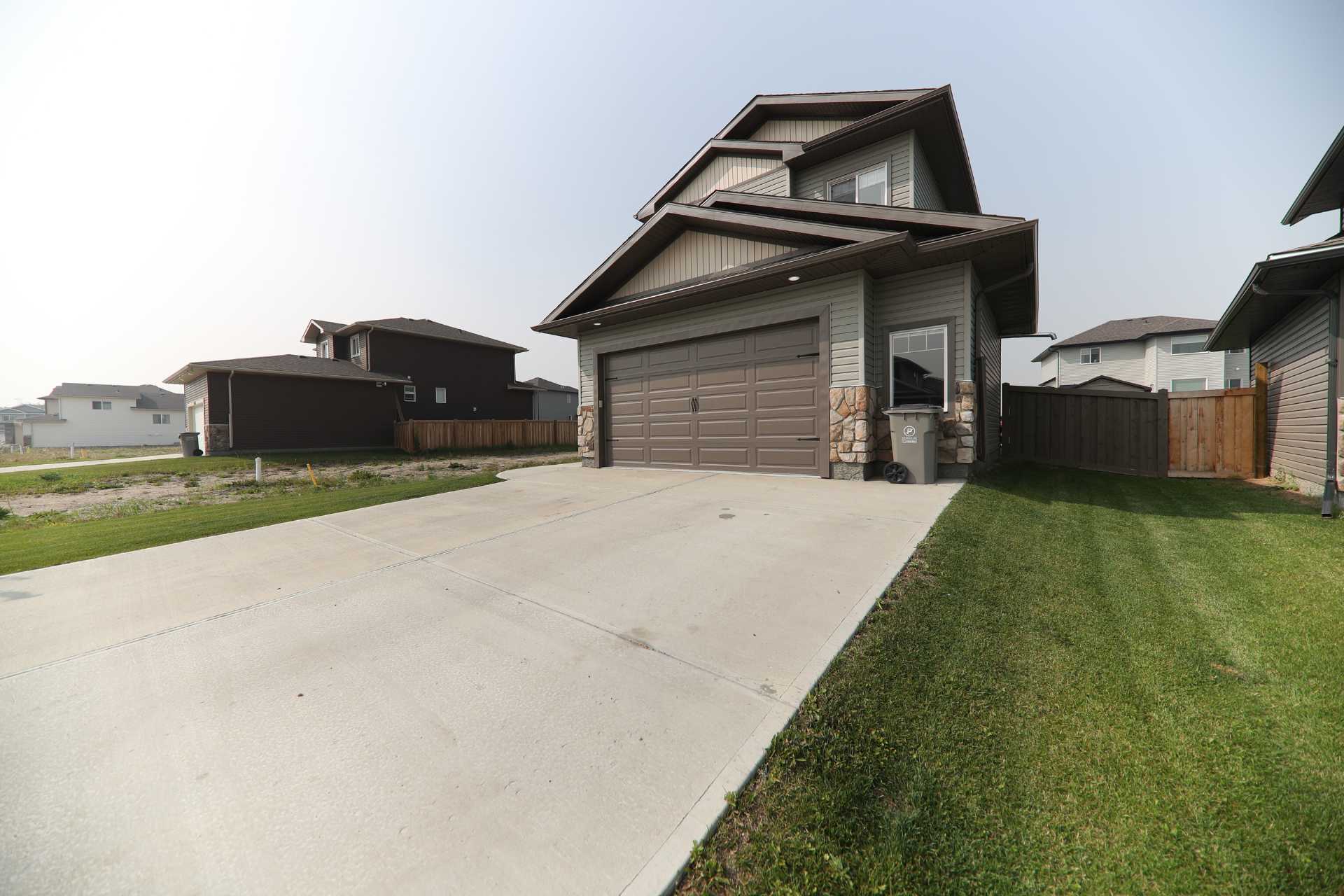
Owning a home in Canada requires adapting to intense structural maintenance routines that shift dramatically with the seasons. Most homeowners spend the autumn months preparing their exterior infrastructure to survive freezing winter conditions and heavy snow loads. Then, as the spring thaw transitions into mid-summer, attention naturally shifts toward protecting your primary property layout from intense UV rays exposure. Investing in proactive concrete driveway protection is a critical step that prevents extreme summer heatwaves from destroying your pavement.
Many property owners assume that once a heavy stone surface cures, it remains completely impervious to sunlight and warm outdoor temperatures. However, just as an experienced roofing company knows that intense solar baking destroys asphalt shingles, a masonry specialist understands that summer heat degrades a concrete driveway. Leaving raw pavement unprotected against the sun invites deep structural failures that ruin your property’s overall curb value. Taking a proactive approach to pavement maintenance allows you to stop solar deterioration early, preserving your home equity for the long haul.
The Quick Edit
- The UV Chemical Attack: Continuous solar radiation breaks down the structural moisture bonds within your cement paste, turning hard surfaces brittle.
- The Thermal Crush: High afternoon temperatures cause massive concrete slabs to expand rapidly, triggering deep structural cracks if expansion joints are jammed.
- The Acrylic Guard: Applying a professional-grade sealer forms an invisible shield that reflects UV rays and locks out destructive auto fluids.
Solar Degradation: The Microscopic Erosion of Unsealed Concrete
When you look at a concrete surface on a hot July afternoon, the material appears completely solid and static. Beneath the surface, however, the intense ultraviolet (UV) rays from the sun are carrying out a continuous chemical attack. Concrete is held together by an engineered cement paste matrix that relies on permanent chemical hydration bonds to maintain its immense structural strength.
Continuous exposure to unshielded summer sunlight forces these internal moisture bonds to break down via solar baking. As the UV radiation penetrates the top layer of the pavement, it dries out the microscopic gel structures that bind the aggregate stones together. This solar drying action causes the smooth top paste layer to become incredibly brittle, weak, and dusty.
Over time, this microscopic erosion allows fine sand particles to break loose from the aggregate matrix. You will start to notice a fine layer of grey dust forming on your driveway every time you sweep. This surface powdering is a clear sign that the sun is actively breaking down your pavement, leaving it highly vulnerable to heavy vehicular traffic.
Thermal Expansion: How High Heat Triggers Heavy Structural Fractures
The physical movement of concrete slabs under changing temperatures represents another major threat to your driveway’s structural integrity. Like most solid building materials, concrete changes its physical volume based on the ambient temperature of its surrounding environment. During cool nights, the material contracts slightly, but as the hot summer sun beats down on the driveway, the entire slab expands.
On a hot afternoon, the surface temperature of unsealed pavement can easily surpass 40°C. This extreme heat forces the massive concrete slabs to expand outward with immense physical power. To handle this predictable movement, professional contractors install flexible expansion joints between the slabs during the initial pour.
Problems arise when these essential joint lines become packed tight with compressed road sand, winter grit, or hard landscape gravel over the years. When the expanding concrete slabs meet these unyielding blockages, they can no longer move freely into the open joint spaces. The slabs smash into each other with thousands of pounds of internal pressure, causing the material to self-fracture. This extreme mechanical stress leads to deep, jagged concrete driveway cracks that split right across your driving lanes.
Spalling and Discolouration: The Visible Cost of Defenceless Pavement
The combination of intense solar radiation and high thermal stress quickly leads to a highly destructive masonry condition known as surface spalling. Spalling occurs when the top finished layer of the concrete separates from the aggregate matrix below, causing the pavement to pit and scale. As the sun-baked top paste layer loses its internal strength, it begins to flake away in large, ugly patches.
This scaling process leaves your driveway looking deeply pitted, rough, and completely unmaintained. Furthermore, unsealed concrete behaves like a giant stone sponge that eagerly absorbs any liquid dropped onto its surface. When cars park on a sun-baked driveway, the heat from the tires cooks dropped engine oil, transmission fluid, and dark power steering fluids deep into the concrete pores.
The sun acts as a natural baking oven for these dark chemical stains, causing them to set permanently into the stone matrix. At the same time, unshielded UV rays bleach the natural grey pigments out of your concrete, leading to an uneven, washed-out appearance. This combination of deep oil stains, blotchy bleaching, and rough spalling zones destroys your home’s exterior aesthetic, significantly lowering its overall market appeal.
The Driveway Weather Defence Matrix
Organizing your pavement care routine helps you identify the onset of solar degradation before it turns into a total driveway failure:
| Pavement Degradation Phase | Underlying Physical Cause | Primary Visual Symptoms | Long-Term Structural Threat |
Microscopic Solar Drying | UV rays break down internal moisture bonds. | Fine grey dust forms on the surface after sweeping. | Weakens the top cement paste layer against traffic wear. |
Thermal Joint Compression | Expanding concrete slabs smash into jammed expansion joints. | Jagged horizontal or vertical cracks split the slabs. | Allows rain to seep down and liquefy the gravel foundation. |
Surface Spalling & Scaling | Sun-baked top concrete flakes away from aggregate stones. | Deep pits, rough patches, and loose stone pockets form. | Destroys curb appeal and creates a rough driving surface. |
Chemical Stain Baking | Sun cooks automotive fluids deep into unsealed concrete pores. | Dark, permanent oil spots and blotchy white bleaching. | Breaks down the structural integrity of the concrete paste. |
The Shield Effect: Applying Acrylic Sealers for Longevity
Protecting your pavement investment from these intense summer climate threats requires establishing a regular schedule for resealing your concrete driveway to prevent cracks. Applying a professional-grade acrylic sealer forms an invisible, unyielding barrier that completely changes how your driveway interacts with the elements. Modern acrylic sealers are engineered with advanced UV-blocking additives that behave like high-quality sunscreen for your stone pavement.
The liquid sealer penetrates deep into the microscopic concrete pores, curing into a flexible, glass-like membrane that reflects harmful solar radiation away from the surface. This shielding action keeps the sun from drying out your internal moisture bonds, preserving the core strength of your cement paste. Furthermore, the cured acrylic layer completely seals off the open pores of the stone, preventing engine oils and chemical fluids from soaking into the surface.
Instead of penetrating deep into the concrete, dropped fluids pool harmlessly on top of the acrylic shield, allowing you to easily wash them away with a standard garden hose. Executing an acrylic concrete sealer application every two to three years guarantees your pavement stays strong, clean, and bright through the hottest summer months.
Advanced Preventative Action: Seasonal Cleaning and Joint Maintenance
To maximize the overall lifespan of your pavement, you must view surface sealing as part of a broader list of seasonal concrete driveway maintenance tasks. Before you apply any protective coatings to your driveway, you must thoroughly clean the entire surface using a high-pressure power washer. Removing accumulated winter salt, ground-in road grit, and organic leaf stains ensures the new sealer bonds perfectly to the clean concrete pores.
Additionally, you must dedicate time to clearing out your driveway’s expansion joints using a stiff wire brush or a specialized joint-cleaning tool. Scraping out packed dirt and compressed gravel restores the open space your concrete slabs need to expand safely during hot summer afternoons. Once the joints are clean, sealing them with a flexible polyurethane joint sealant keeps new debris from filling the voids while allowing the slabs to move without cracking.
It is also highly beneficial to inspect the perimeter of your driveway to ensure your lawn soil matches the height of the concrete edge. When the soil drops below the pavement line, heavy vehicles driving near the edge can cause the unsupported concrete corners to snap off under the weight. Maintaining correct soil levels and keeping lawn fertilizers off your sealed concrete prevents chemical burning, keeping your driveway perimeter completely intact.
Preserving Your Curb Value Against the Elements
Allowing the intense summer sun to bake your unsealed driveway is an expensive mistake that directly threatens your property’s overall structural value. Leaving your concrete completely defenceless against UV radiation and thermal expansion leads to rapid cracking, ugly spalling, and permanent oil staining. Trying to save money by skipping seasonal sealing always results in massive repair bills for complete driveway excavation and concrete replacement later on. By keeping your expansion joints clean, washing away automotive fluids quickly, and maintaining a high-quality acrylic shield, you protect your capital investment completely. This proactive approach to pavement care ensures your driveway remains smooth, clean, and beautifully intact through the most extreme summer heatwaves.