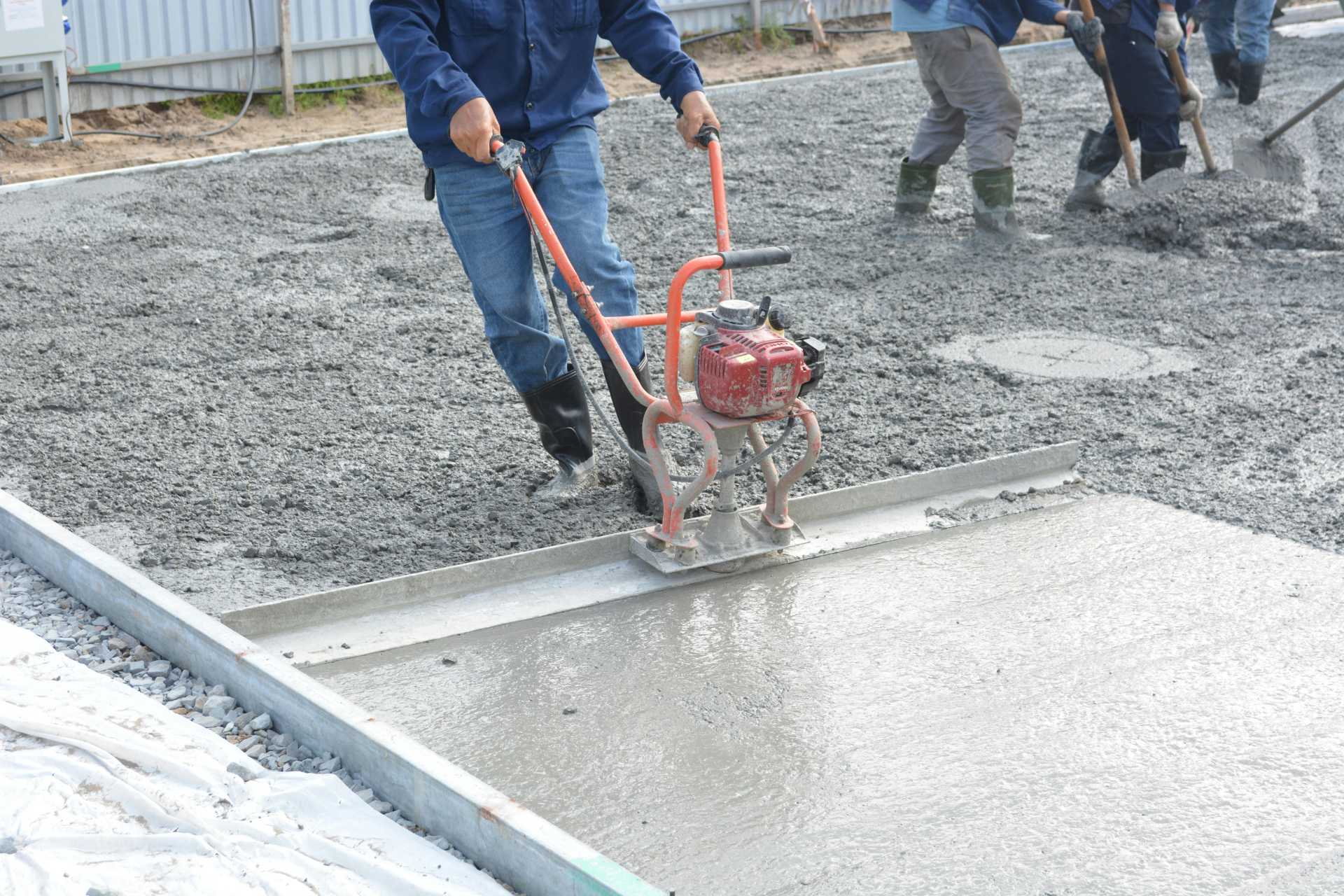
Upgrading your home’s exterior layout requires a smart mix of visual design and practical engineering. Installing a premium concrete driveway provides a clean, long-lasting surface that instantly boosts your property’s curb appeal. However, a driveway is much more than a simple parking pad for your vehicles. It serves as a major water management system for your entire front yard. When your driveway suffers from a poor slope, it acts like a giant funnel. It routes heavy rains and melting winter snow directly toward your home’s foundation walls.
Failing to design a proper drainage angle creates immediate problems for your property layout. A poorly graded pad will trap surface water, causing large puddles to form right against your garage doors. This constant moisture quickly finds its way into your subfloor, ruining finished basement spaces. Furthermore, driving vehicles over saturated, freezing pads can easily scrape up your undercarriage. This mechanical damage will quickly send you to the nearest muffler shop for unexpected exhaust line repairs. True exterior protection requires a precise slope that moves water away from your structures, ensuring your paved surfaces stay dry and safe through every season.
The Quick Edit
- The Drainage Grade: A durable residential driveway requires a minimum slope of one to two percent to push rainwater safely away from your home.
- The Winter Shield: Keeping surface water moving stops large ice patches from forming on your paths during intense freeze-thaw cycles.
- The Foundation Link: A properly sloped concrete pad keeps groundwater out of your garage, protecting your foundation footings from moisture damage.
The Math of Movement: Understanding the 1-2% Slope Rule
To build a driveway that lasts, you must focus on the exact physics of surface drainage. Gravity is your main tool for keeping your paved paths free of pooling water. Professional concrete teams use a strict rule: a driveway must slope downward and away from your house at a minimum grade of one to two percent. This means that for every ten feet of paved length, the driveway surface must drop down by one to two inches. This slight angle is barely noticeable to the eye, but it is fully enough to keep rainwater flowing steadily toward the street storm lateral.
This drainage angle is especially vital in Canada, where heavy spring thaws produce massive amounts of surface water in a few days. If your driveway is perfectly flat, the meltwater cannot escape. It pools up on the concrete, soaking into the porous material and causing deep structural wear. Pushing water away quickly keeps your paths clear, protecting your landscaping from getting washed out during heavy storms.
The Sub-base Foundation: Why Groundwork Matters Most
A perfect slope is only as good as the ground beds supporting the heavy concrete slabs. Eager property owners often focus entirely on the final surface finish while ignoring the dirt below. Experienced contractors know that proper base preparation affects the concrete driveway’s lifespan more than almost any other design factor. The process begins by excavating the topsoil and laying down a thick, six-inch bed of crushed gravel. This stone layer must be packed down tightly using heavy vibrating machinery to form a solid, unyielding foundation matrix.
This packed stone base serves two vital structural roles for your driveway layout. First, it spreads out the heavy weight of large trucks, preventing the concrete slabs from cracking under heavy pressure. Second, it acts as a built-in drainage layer, allowing subfloor water to flow away safely instead of pooling up directly under the pad. Skipping this crucial groundwork step causes the slabs to sag unevenly over a few seasons. This uneven settling quickly ruins your carefully designed slope, turning your smooth paths into a collection of cracked, pooling surfaces.
The Freeze-Thaw Battle: Preventing Scale and Pits
Designing a proper slope is your first line of defence against Canada’s harsh winter freeze-thaw cycles. Poured concrete behaves like a dense sponge, containing thousands of microscopic air pockets that can absorb surface moisture. When standing water pools on a poorly sloped driveway, the concrete becomes completely saturated with liquid. When temperatures drop below freezing, that trapped water turns into ice, expanding by nine percent inside the stone matrix. This internal expansion places immense stress on the concrete, breaking it apart from the inside out.
This freezing pressure causes the smooth top finish to flake off, creating rough patches, pits, and deep cracks across your driveway. This surface damage is made worse when homeowners apply harsh de-icing salts, which accelerate the freeze-thaw cycle. Keeping your path sloped at a correct angle allows meltwater to drain away before it has a chance to freeze inside the stone. This simple drainage step preserves your driveway’s smooth look, saving you from expensive patching projects down the road.
Long-Term Benefits: Curb Appeal and Asset Value
Investing in a professionally installed concrete driveway provides significant advantages that extend far past simple water management. A smooth, well-graded driveway creates a clean, premium frame for your front yard, instantly elevating your property’s overall presentation. It shows neighbours and visitors alike that the home is maintained to a very high standard. This visual boost directly increases your asset value, making your property stand out to prospective buyers if you ever choose to list it on the market.
Furthermore, a properly sloped concrete pad stays fully safe to walk on during cold winter thaws. Pushing meltwater off the path prevents large, dangerous sheets of black ice from forming right where you park your car. This slip protection keeps your family safe when carrying groceries inside, eliminating hazardous winter conditions. Choosing a professional concrete team ensures your driveway looks beautiful, works flawlessly, and stays safe for decades to come.
Custom Home Coordination: Integrating Modern Layouts
When you are designing a concrete driveway for a custom home build, coordinating your grading plan early is essential. A custom property layout often features unique architectural details, such as side-loading garages, retaining walls, or sloping front walkways. These elements require a custom drainage plan to ensure all surface water flows safely around your new structures. Your concrete team must match your driveway’s slope with your yard’s natural grade, preventing water from getting trapped in layout corners.
Additionally, custom designs allow you to add premium features like integrated drainage grates or decorative stamped concrete borders. These modern upgrades help capture heavy water runoff along low points, routing it safely away from your front entryway. Taking the time to coordinate your driveway’s slope with your home’s main structural plan creates a unified look. This careful engineering keeps your home fully protected, ensuring your custom property functions perfectly through every season.
Maintenance Masterclass: Sealing for Multi-Season Longevity
Once your driveway’s slope and subbase are locked in place, keeping the surface in prime condition requires simple preventative care. Apply a high-quality, silane-siloxane penetrating sealer across the entire concrete pad once every three to five years. This clear protective shield sinks deep into the concrete pores, creating a chemical barrier that repels water, engine oil, and winter road salts. A sealed, sloped driveway sheds rainwater instantly, preventing the stone from absorbing harmful road chemicals that cause early cracking.
Additionally, take time to sweep away damp leaves, dirt, and winter gravel that accumulate along your lower driveway edges. Left uncleaned, this organic debris acts like a small dam, trapping water on the concrete and slowing down your drainage paths. If small hairline cracks show up over decades of continuous vehicle traffic, seal them quickly with a flexible concrete caulk. Keeping your joints sealed stops water from sinking down into your gravel subbase, ensuring your driveway base stays solid and unyielding for the long haul.
Designing for Long-Term Structural Success
Securing a precise slope on your concrete driveway is the single most effective way to shield your property from water damage. A slight one to two percent grade transforms your parking pad into a highly reliable drainage tool, pushing rainwater and snowmelt safely away from your home. This simple engineering step stops water from pooling near your garage doors, protecting your foundation footings from expensive moisture issues. Combining this grading with a packed gravel base keeps your paved surfaces stable and straight for decades.
Furthermore, keeping water moving off your driveway protects the concrete from the destructive force of Canadian winter freeze-thaw cycles. It prevents surface flaking, cuts down on ugly pitting, and eliminates dangerous sheets of black ice where you walk. Whether you are building a custom dream home or replacing an aging, cracked pad, proper grading delivers a premium, low-maintenance finish. Investing in correct driveway slope protections secures your home investment, ensuring your property looks pristine and stays safe through every season.