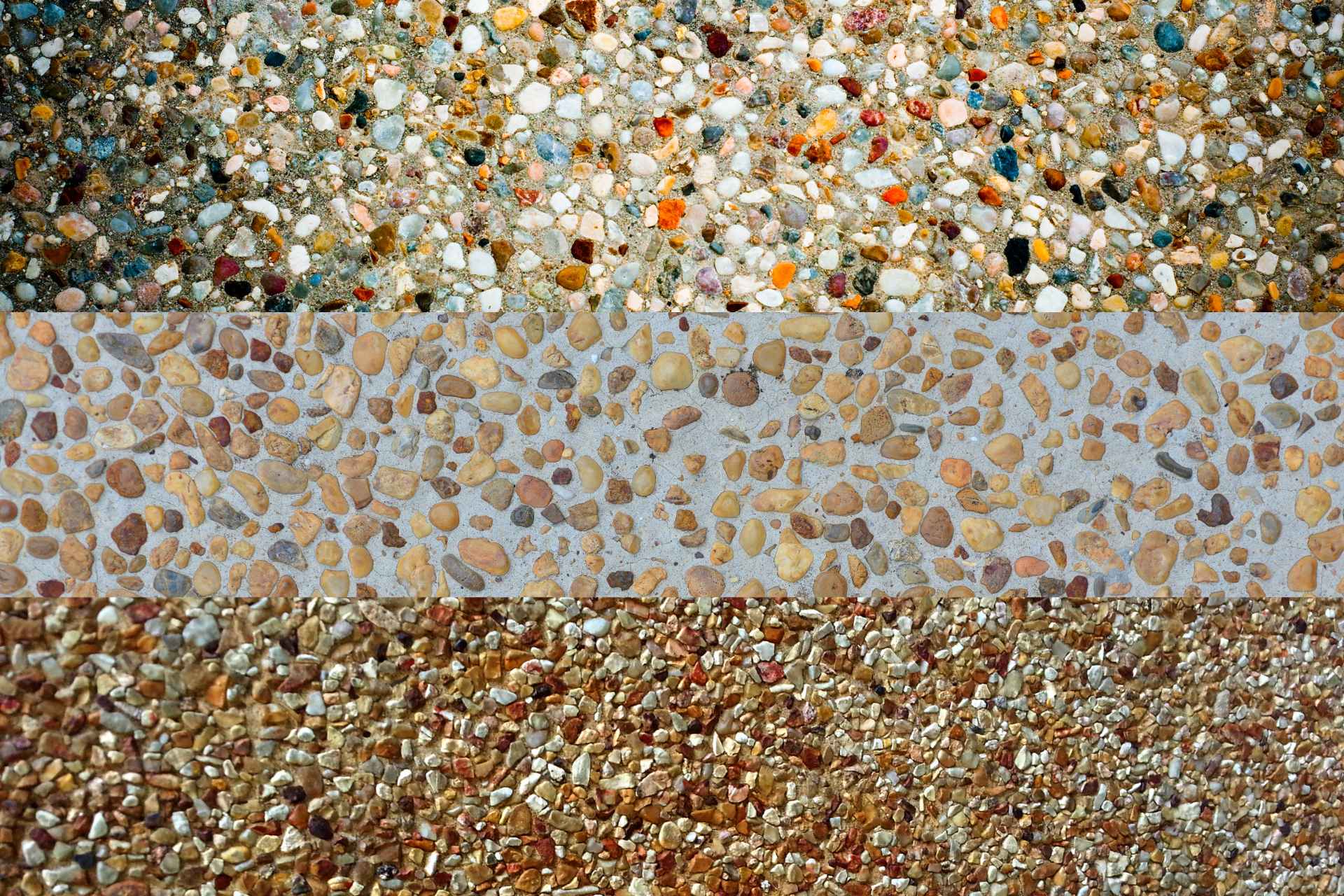
Curb appeal begins at the property line, making the choice of driveway surface a defining design decision. For example, installing exposed aggregate concrete driveways serves as a striking aesthetic bridge between the street and the front entryway. Choosing this specific finish goes far beyond a simple operational decision—it sets a high-end tone for the entire elevation, provides exceptional vehicle traction, and contributes directly to the home’s long-term equity.
In contemporary exterior design, the driveway is a part of custom home architecture that demands the same intentional material selection as timber cladding or floor-to-ceiling glass. While traditional asphalt and standard broom-finish concrete remain common, exposed aggregate has emerged as a premier decorative option. By stripping away the top layer of cement paste during curing to reveal embedded natural stone, river rock, or granite, exposed aggregate delivers a textured, high-end surface capable of handling extreme seasonal shifts.
The Quick Edit
- The Core Aesthetic: Exposed aggregate reveals natural stone matrices beneath the surface, offering rich textural depth and luxury curb appeal that plain concrete cannot match.
- The Performance Profile: The exposed stone face provides built-in slip resistance during wet thaws, exceptional load-bearing strength, and superior resistance to vehicle tires.
- The Commercial Verdict: While ideal for residential driveways, walkways, and commercial plaza plazas, its suitability for heavy commercial traffic requires high-psi engineered mixes and periodic acrylic resealing.
The Material Science Behind Exposed Aggregate
Exposed aggregate handles heavy loads exceptionally well. To understand why, look at how decorative concrete is formulated and finished. Standard concrete starts as a workable slurry. This mixture combines Portland cement, water, fine sand, and coarse stone aggregates.
Traditional broom-finish concrete works differently than exposed aggregate. With standard concrete, cement paste rises to the top to create a smooth, single surface. With exposed aggregate, finishing crews apply a chemical surface retarder right after pouring. This retarder delays surface drying while the interior slab hardens.
Once the base concrete reaches initial strength, crews wash the top layer away. Pressure-washing removes the unhydrated surface paste. This step reveals the upper faces of hard natural stones embedded within the mix. The result is a durable, slip-resistant matrix of natural stone held firmly in a concrete bed.
Evaluating Decorative Options for Contemporary Builds
Selecting the right exterior surface requires balancing visual appeal against long-term maintenance requirements. Reviewing popular concrete driveway finishes for modern homes highlights why exposed aggregate remains a top-tier choice among designers and builders:
- Broom-Finish Concrete: Practical, slip-resistant, and cost-effective, but offers a plain appearance that can look industrial on luxury custom builds.
- Stamped Concrete: Offers moulded patterns that imitate brick, slate, or cobblestone. While visually striking, smooth stamped surfaces can become extremely slippery when wet or icy if not treated with non-slip additives.
- Exposed Aggregate Concrete: Combines the natural texture of real stone with the monolithic strength of poured concrete, offering built-in traction, high wear resistance, and a timeless aesthetic.
The Advantages of Exposed Aggregate Driveways
Upgrading to an exposed aggregate surface offers distinct structural and aesthetic benefits that appeal to both homeowners and commercial property managers.
1. Superior Natural Traction
The exposed stone faces create a variegated, three-dimensional surface texture that provides exceptional friction. During wet spring rains or icy winter thaws, this natural grip keeps vehicles from slipping and provides secure footing for pedestrians.
2. High Load-Bearing Strength and Impact Resistance
Because natural aggregates like granite, basalt, and river stone are significantly harder than cured cement paste, the exposed surface bears vehicle weight directly. The stone matrix absorbs heavy wheel loads without showing the scuffs, tire marks, or surface wearing that often plague smoother concrete finishes.
3. Concealment of Minor Surface Imperfections
Uniform grey concrete reveals every minor oil stain, tire scuff, or dust accumulation. The multi-tonal, natural colour variations of exposed aggregate naturally disguise everyday dirt, traffic wear, and minor fluid drips, maintaining a clean appearance between routine power-washings.
Practical Challenges and Maintenance Realities
Despite its durability, exposed aggregate is not entirely maintenance-free. Property owners must plan for ongoing care to preserve its structural integrity.
1. Moisture Infiltration and Freeze-Thaw Risks
In regions experiencing dramatic temperature shifts, water can seep into tiny micro-fissures surrounding individual aggregate stones. When that trapped water freezes and expands, it creates internal hydraulic pressure that can loosen stones over time—a phenomenon known as “pop-outs.”
2. Required Acrylic Sealing Cycles
To prevent moisture absorption and protect against de-icing salts, exposed aggregate must be treated with a high-quality, breathable acrylic concrete sealer every two to three years. Neglecting this protective coating leaves the cement matrix vulnerable to salt scaling and surface erosion.
3. Snow Removal Considerations
While the textured surface provides excellent winter traction, snowplow blades and metal shovels can catch on protruding aggregate stones if operated improperly. Using rubber-edged plow blades or plastic snow shovels prevents chipped stones during winter snow clearing.
The Financial Picture: Capital Cost vs. Resale Equity
A high-end driveway should be viewed as a long-term property enhancement rather than a short-term expense. Making a strategic concrete driveway investment increases total property value, boosts immediate curb appeal, and provides decades of reliable service when maintained correctly.
While exposed aggregate carries a higher initial installation cost than standard asphalt or plain concrete due to the specialized labour and materials involved, its long lifespan and low repair requirements yield a strong return on investment. Unlike asphalt, which requires frequent re-blacktopping and degrades under heat, a reinforced concrete slab maintains its structural shape for thirty years or more.
Indoor-Outdoor Design Continuity
Modern residential architecture increasingly emphasizes visual harmony between indoor living areas and outdoor hardscapes. Just as homeowners integrate luxury amenities like a high-tech indoor golf simulator or home theatre to create sophisticated interior spaces, exterior surfaces should reflect equal design intention.
Matching the colour tones of exposed aggregate driveways to interior polished concrete floors, stone entry steps, or outdoor patio pavers creates a unified architectural flow across the entire property.
Commercial Property Suitability: Can Exposed Aggregate Handle Commercial Demand?
Property owners often ask whether exposed aggregate is durable enough for commercial applications, such as retail plazas, office building forecourts, bank drive-thrus, and boutique storefront walkways.
The short answer is yes—provided the slab is engineered specifically for commercial load profiles:
1. Pedestrian Plazas and Storefront Walkways
Exposed aggregate excels in commercial pedestrian zones. Its textured surface reduces slip-and-fall liability during rain or snow, while its premium appearance elevates commercial curb appeal. It easily withstands heavy daily foot traffic, rolling carts, and outdoor dining setups without showing wear.
2. Commercial Driveways and Loading Aprons
For commercial vehicular areas facing delivery vans, garbage trucks, and constant traffic, standard residential mix designs are insufficient. To perform reliably under commercial vehicle loads, the installation must feature:
- Increased Slab Thickness: Expanding slab thickness from standard residential 4-inch depth to 6 inches or more.
- Higher Compressive Strength: Specifying high-strength concrete mixes rated at 4,000 to 5,000 PSI or greater.
- Reinforced Steel Grid: Installing heavy-gauge, rebar grids elevated on chairs to distribute concentrated axle loads across the subgrade.
- Commercial-Grade Penetrating Sealers: Applying silane/siloxane penetrating sealers beneath acrylic topcoats to block salt intrusion from commercial winter de-icing programs.
When backed by proper structural engineering and a disciplined maintenance schedule, exposed aggregate offers a sophisticated, ultra-durable solution for high-traffic commercial environments.
Timeless Aesthetic Meets Structural Performance
Exposed aggregate concrete represents an exceptional balance of luxury design, structural resilience, and long-term equity. By exposing the natural beauty of embedded stone, it transforms a utilitarian driveway or commercial walkway into an eye-catching architectural feature. While it demands periodic sealing and proper winter care, its built-in traction, resistance to vehicle wear, and classic aesthetic make it one of the most rewarding exterior surface choices for modern residential and commercial properties alike.